Discover how Holden built strong brand recognition through a powerful social media strategy. This article explores how Holden used platforms like Facebook, Instagram, and YouTube, along with community engagement, motorsport content, and influencer collaborations to strengthen brand awareness and connect with audiences in the digital era.


Social Media Strategy Behind Holden’s Brand Awareness
Table of Contents
Introduction to Holden and Its Brand Legacy
Holden is more than just an automotive brand—it’s an icon deeply woven into Australian cultural history. Founded in the 19th century and later becoming part of General Motors, the brand built its reputation on producing vehicles that reflected Australian identity and lifestyle. For decades, models like the Commodore, Monaro, and Kingswood symbolized national pride and engineering capability. When people talked about driving an “Aussie car,” they were often referring to Holden.
Yet as the automotive market evolved and competition intensified, Holden faced a challenge familiar to many legacy brands: staying relevant in the digital era. Traditional advertising methods such as television commercials and print media were no longer enough to keep the brand top-of-mind for younger audiences. Social media became the battlefield where attention, loyalty, and brand perception were shaped daily.
Holden’s marketing team recognized early that digital platforms could help preserve its legacy while connecting with modern consumers. Instead of relying solely on nostalgic storytelling, the company used social media to create interactive experiences and foster communities of passionate fans. The goal was simple yet powerful: transform brand awareness into emotional engagement.
This strategy worked remarkably well for a time. By leveraging digital platforms, Holden was able to maintain visibility, strengthen loyalty, and reach new audiences across multiple demographics. Understanding how the company approached social media provides valuable lessons for brands trying to balance heritage with innovation.
Understanding Brand Awareness in the Digital Age
Brand awareness refers to how familiar consumers are with a company or product. In marketing theory, awareness is the first step before a customer can develop trust, preference, or loyalty toward a brand. If people have never heard of your brand, they simply cannot choose it during a purchase decision. Researchers have consistently highlighted awareness as a fundamental component of marketing effectiveness.
In the past, brand awareness relied heavily on mass media exposure—think television ads, billboards, or newspaper campaigns. Today, however, social media platforms have dramatically reshaped the way awareness is built. Instead of one-way communication, brands can now interact directly with audiences in real time.
This shift changed the rules of marketing. Rather than broadcasting messages, companies must create engaging conversations and experiences that audiences want to share. Viral posts, user-generated content, and influencer collaborations can spread brand visibility far beyond traditional advertising reach.
For automotive brands like Holden, this digital environment offered unique opportunities. Cars are aspirational products, often associated with lifestyle, performance, and identity. Social media platforms are perfect spaces to showcase these emotional elements through visuals, videos, and storytelling.
By embracing digital engagement, Holden aimed to ensure that its brand remained relevant even as consumer behaviors evolved. The strategy focused not just on selling cars but on strengthening the emotional connection between the brand and its community.
Why Social Media Became Critical for Holden
The automotive industry has undergone significant transformation over the last two decades. Consumers now conduct extensive online research before making purchase decisions. Reviews, videos, and social media discussions influence buying behavior more than traditional advertising.
Holden recognized that maintaining brand awareness required a strong digital presence. As manufacturing changes and new competitors emerged, the brand needed to reposition itself while still honoring its legacy. Marketing leaders understood that social media could bridge this gap by connecting heritage with modern storytelling.
One reason social media was so important for Holden was its passionate fan base. Many Australians grew up seeing Holden cars in their families or at motorsport events. Social platforms allowed the company to nurture this emotional connection and keep fans engaged even when they were not actively buying a vehicle.
Another factor was visibility. Algorithms and online conversations meant that brands appearing frequently in feeds could remain top-of-mind for consumers. Instead of occasional advertising bursts, Holden could maintain continuous communication with its audience.
The company also leveraged social media to reshape its brand perception during periods of transition. Marketing campaigns focused on innovation, design, and lifestyle—helping reposition Holden as a modern automotive brand rather than solely a nostalgic one.
Core Social Media Platforms Used by Holden
Facebook Community Building
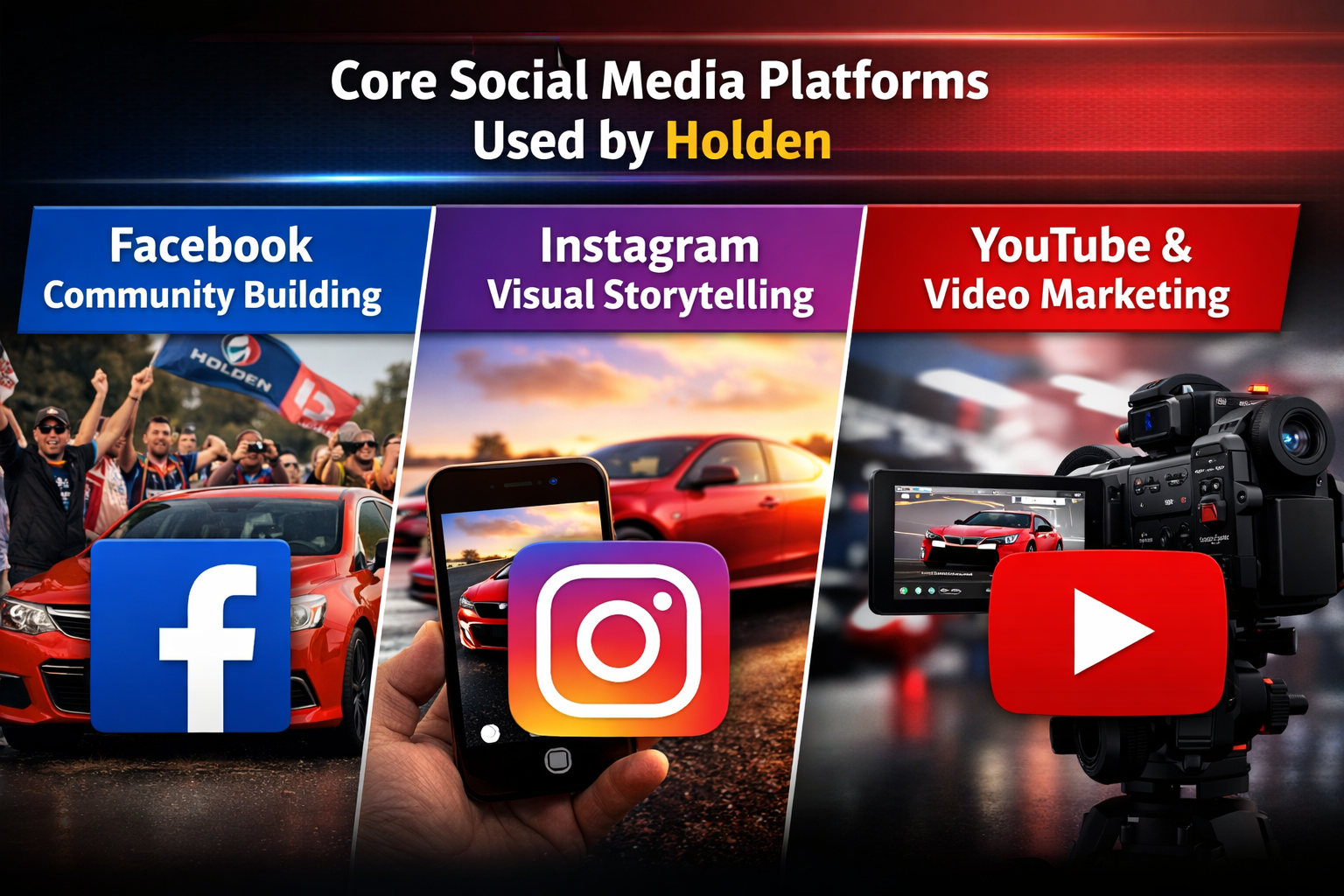
Facebook served as the backbone of Holden’s social media strategy. The platform offered a space where fans could interact with the brand, share memories, and discuss new vehicle launches. By creating official pages and community groups, Holden built an online hub that connected enthusiasts from across the country.
At one stage, Holden Motorsport’s social media channels alone gathered hundreds of thousands of followers. Reports show that these channels generated more than 130 million impressions and reached over 830,000 unique users, highlighting the massive digital exposure the brand achieved.
The key to success on Facebook was consistent engagement. Instead of posting only promotional content, Holden encouraged conversation. Fans shared photos of their cars, commented on racing events, and celebrated milestones together. This sense of belonging transformed a simple social page into a passionate community.
Facebook also allowed Holden to run targeted campaigns. By analyzing demographics, interests, and behavior patterns, the company could deliver relevant content to different audience segments. Families, car enthusiasts, and motorsport fans all received tailored messaging that resonated with their interests.
Through this strategy, Facebook became a powerful engine for sustaining brand awareness and strengthening customer relationships.
Instagram Visual Storytelling
If Facebook built the community, Instagram showcased the lifestyle. The platform’s visual nature made it ideal for automotive storytelling, where sleek design, speed, and adventure could be captured through striking images and short videos.
Holden used Instagram to highlight everything from new car models to behind-the-scenes motorsport moments. High-quality visuals allowed the brand to present its vehicles as aspirational products rather than simple transportation tools.
One notable campaign used a media-first Instagram strategy that significantly improved marketing performance. The campaign achieved a 30-point increase in ad recall and a 9-point lift in brand awareness, demonstrating the effectiveness of social media advertising.
The platform also helped Holden appeal to younger audiences. Millennials and Gen Z consumers spend considerable time browsing Instagram, and automotive brands must adapt their messaging to capture this attention. Holden embraced modern aesthetics, creative storytelling, and interactive features such as polls and stories.
By blending lifestyle imagery with product promotion, the brand ensured that its vehicles remained visually memorable in crowded social feeds.
YouTube and Video Marketing
Video marketing became another essential pillar of Holden’s digital strategy. Platforms like YouTube allow brands to tell deeper stories that go beyond static images or short posts. Holden leveraged this format to showcase vehicle features, racing highlights, and emotional brand narratives.
Motorsport content played a particularly significant role. Racing events generate excitement, adrenaline, and national pride—elements that perfectly align with automotive branding. Holden’s YouTube channel featured race footage, driver interviews, and event coverage, giving fans an insider perspective on the action.
Video also helped educate potential buyers. Instead of reading technical specifications, viewers could watch demonstrations of performance, design, and safety features. This visual approach simplified complex information while maintaining audience interest.
Another advantage of YouTube was its shareability. Fans often reposted videos across social platforms, expanding Holden’s reach organically. Even years after release, some videos continued attracting views, providing ongoing brand exposure.
Through engaging storytelling and dynamic visuals, Holden used video marketing to strengthen both brand awareness and emotional connection with audiences.
Content Strategy That Drove Engagement
Motorsport and Event Content
Motorsport has always been closely associated with Holden’s identity. Racing events such as Supercars championships created dramatic moments that fans loved to follow. By sharing event highlights, driver interviews, and race day updates on social media, Holden tapped into this enthusiasm.
This content strategy served multiple purposes. First, it reinforced the brand’s performance heritage, reminding audiences that Holden vehicles were built with racing DNA. Second, it created real-time engagement during events, encouraging fans to comment, share, and celebrate victories together.
Motorsport content also generated high levels of shareability. Racing fans naturally want to discuss results, analyze performances, and support their favorite teams. By participating in these conversations, Holden kept its brand present in countless online discussions.
The emotional energy of motorsport transformed social media posts into digital events. Fans weren’t just watching races—they were experiencing them collectively through Holden’s online channels.
Heritage Storytelling
Holden’s greatest asset has always been its history. Few automotive brands have such deep cultural connections with a nation. Social media allowed the company to celebrate this heritage while reminding audiences why the brand mattered.
Posts often featured classic vehicles, historical advertisements, or nostalgic memories from long-time fans. These stories resonated strongly with older audiences who had personal experiences with Holden cars.
But heritage content also appealed to younger users. Vintage designs and retro storytelling carry a timeless charm that can feel fresh even decades later. By blending nostalgia with modern visuals, Holden managed to keep its past relevant in the digital age.
This storytelling strategy strengthened emotional attachment. Instead of viewing Holden as just another car manufacturer, audiences saw it as part of a shared cultural journey.
User-Generated Content
User-generated content became a powerful tool for Holden’s brand awareness strategy. Encouraging fans to share photos of their vehicles or stories about road trips created authentic marketing that felt genuine rather than promotional.
When customers post content about a brand, they effectively become ambassadors. Their friends and followers see these posts, expanding reach far beyond the brand’s official accounts. This organic exposure is incredibly valuable because it carries social proof—people trust recommendations from peers more than advertisements.
Holden frequently reposted fan submissions, celebrating community members and strengthening engagement. This recognition motivated more users to participate, creating a continuous stream of fresh content.
The result was a vibrant ecosystem where the brand and its fans collaborated to tell the Holden story.
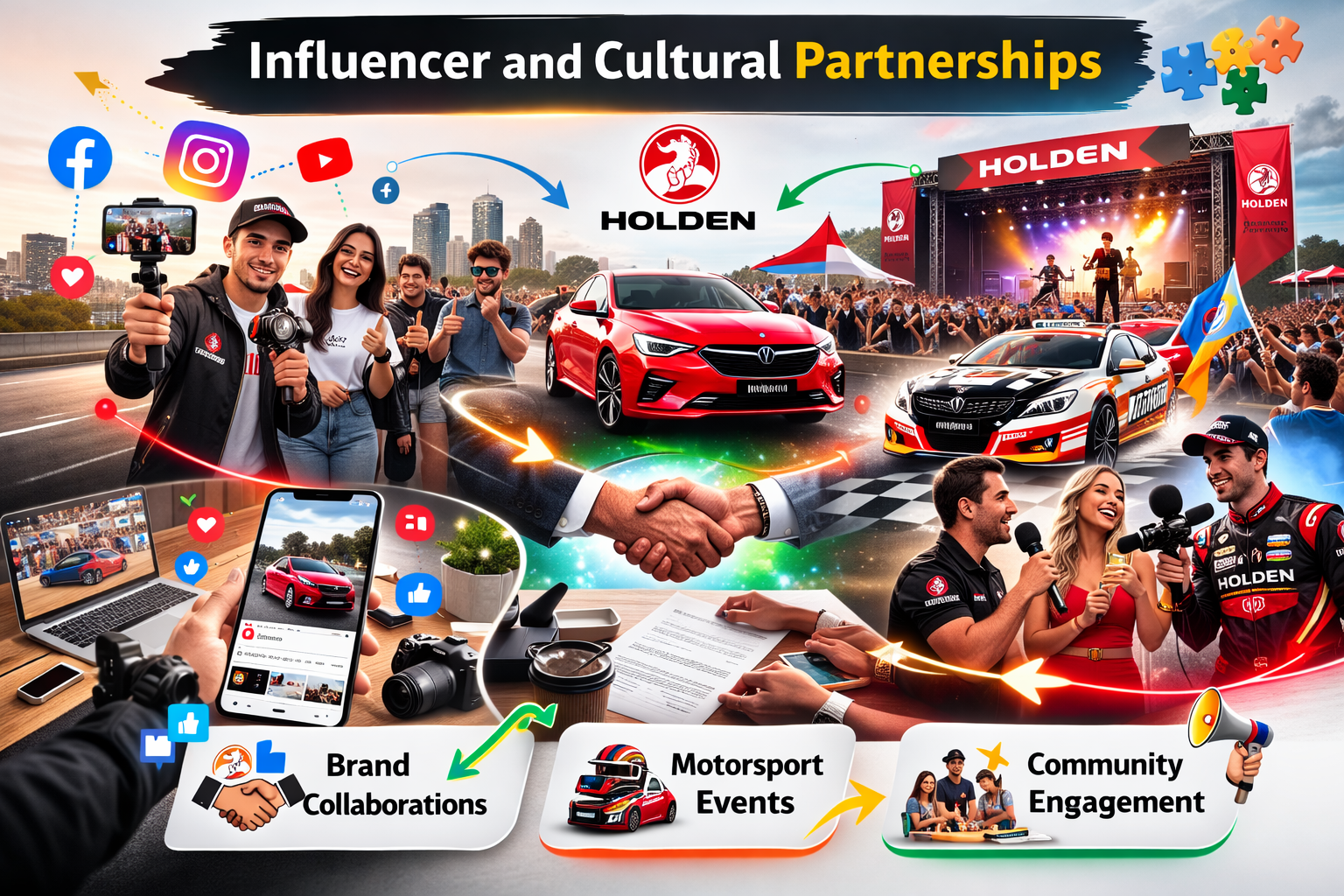
Influencer and Cultural Partnerships
Modern marketing often relies on influencers and cultural partnerships to reach new audiences. Holden incorporated this approach by collaborating with musicians, motorsport personalities, and digital creators.
For example, marketing campaigns sometimes featured cultural figures whose audiences aligned with Holden’s target demographic. Music partnerships and lifestyle collaborations helped the brand reach younger consumers who might not otherwise follow automotive content.
Influencers also played a role in product launches. When a respected driver, creator, or automotive enthusiast shares their experience with a new model, the message feels more credible than traditional advertising.
These partnerships expanded Holden’s reach across diverse communities, helping the brand maintain visibility in an increasingly fragmented media landscape.
Social Listening and Community Interaction
One of the most valuable aspects of social media marketing is the ability to listen. Unlike traditional advertising, digital platforms allow brands to monitor conversations and understand what audiences truly think.
Holden actively engaged in social listening, tracking comments, feedback, and trends across platforms. This insight helped the marketing team identify what content resonated with fans and which topics generated the most engagement.
Responding to comments and questions also played an important role. When brands interact directly with consumers, it humanizes the company and builds trust. Fans appreciated seeing Holden representatives participate in discussions rather than simply posting advertisements.
This interactive approach transformed social media into a two-way relationship. Instead of talking at customers, Holden talked with them.
Data-Driven Marketing and Analytics
Behind every successful social media strategy lies a strong foundation of analytics. Holden used performance metrics to evaluate the impact of campaigns and refine its approach over time.
Key metrics included:
Metric | Purpose |
Engagement Rate | Measures how actively audiences interact with posts |
Reach | Indicates how many users see the content |
Impressions | Shows total exposure across platforms |
Click-Through Rate | Tracks how many users visit linked pages |
These metrics allowed marketers to experiment with different types of content and identify what worked best. Data-driven insights helped optimize posting schedules, refine messaging, and target specific demographics more effectively.
Over time, this analytical approach ensured that Holden’s social media efforts remained efficient and impactful.
Key Lessons from Holden’s Digital Marketing
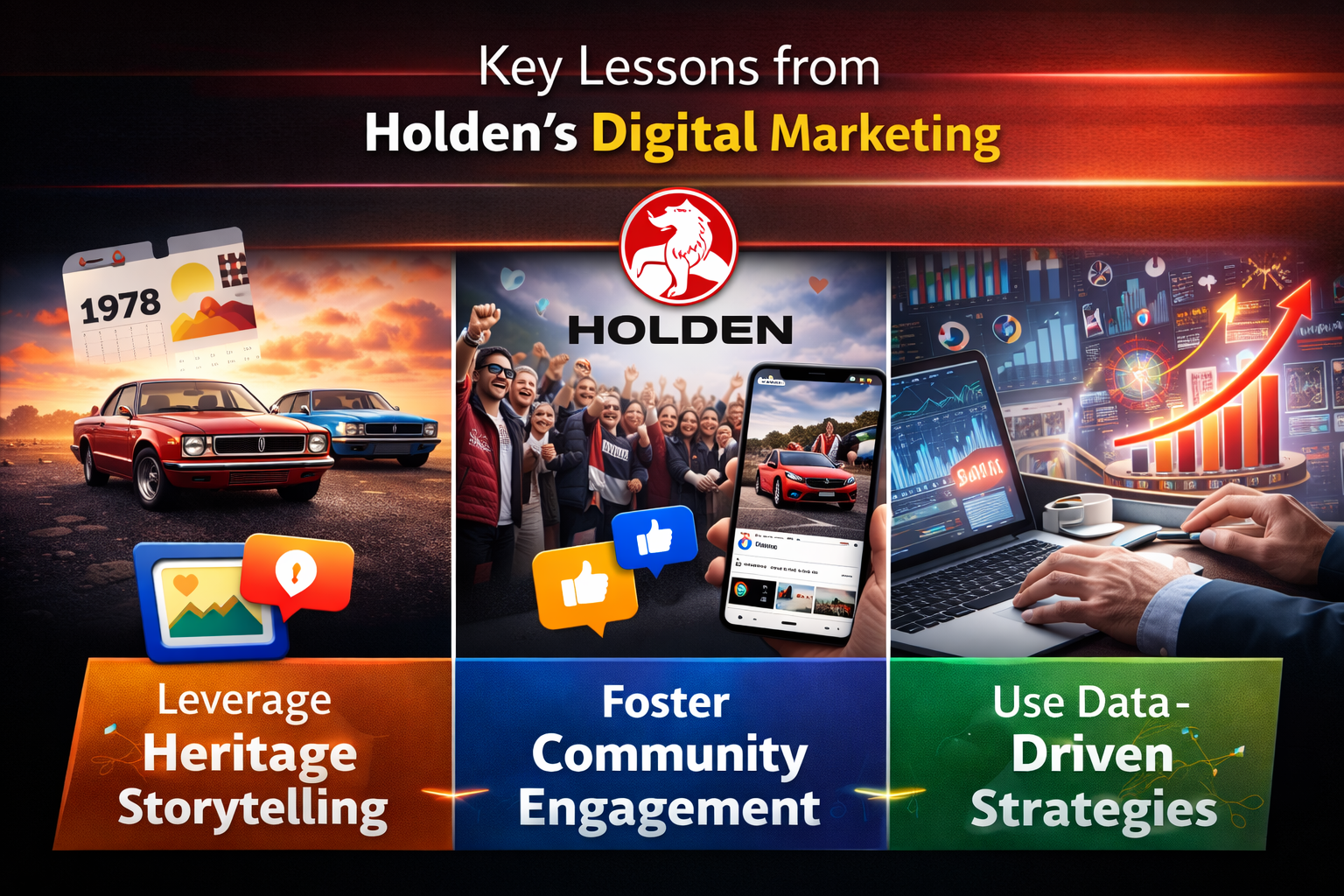
Holden’s social media journey offers several important lessons for marketers. First, heritage can be a powerful storytelling asset when used correctly. By blending nostalgia with modern content formats, brands can appeal to both loyal customers and new audiences.
Second, community engagement matters as much as content quality. Holden succeeded not just because it posted attractive images but because it created spaces where fans could interact and share experiences.
Third, data-driven strategies are essential. Monitoring performance metrics allowed the company to refine its campaigns and maximize impact.
These lessons extend far beyond the automotive industry. Any brand aiming to build awareness in the digital age can benefit from similar approaches.
Results of Holden’s Social Media Strategy
The results of Holden’s digital marketing strategy were impressive during its active years. Social media campaigns generated massive visibility and engagement across multiple platforms.
Some reported achievements include:
Performance Indicator | Result |
Facebook Followers | Over 250,000 |
Twitter Followers | Nearly 20,000 |
Instagram Followers | Over 30,000 |
Social Media Impressions | 130+ million |
YouTube Video Views | 500,000+ |
These figures highlight how effectively the brand leveraged digital platforms to maintain awareness and engagement.
Beyond numbers, the strategy helped keep Holden culturally relevant. Even after major business transitions, the brand continued generating significant online discussions and social media traffic.
Challenges Faced by the Brand
Despite strong social media engagement, Holden faced significant challenges that marketing alone could not overcome. Changes in manufacturing strategy, global market shifts, and intense competition affected the company’s long-term viability.
The closure of local manufacturing operations in Australia also influenced public perception. While digital marketing helped maintain brand visibility, deeper structural changes ultimately shaped the brand’s future.
This highlights an important marketing reality: social media can strengthen brand awareness, but it cannot solve fundamental business challenges on its own.
Future Insights for Automotive Social Media Marketing
The automotive industry continues to evolve with electric vehicles, connected technology, and changing consumer expectations. Social media will remain a critical platform for brands seeking to showcase innovation and build emotional connections.
Future automotive marketing will likely focus on immersive experiences such as virtual test drives, augmented reality demonstrations, and influencer collaborations. Interactive content will become increasingly important as audiences expect more engaging digital experiences.
Holden’s social media strategy demonstrates how brands can adapt to changing media landscapes while preserving their heritage. The key lies in balancing storytelling, community engagement, and data-driven insights.
Conclusion
Holden’s social media strategy played a crucial role in maintaining brand awareness during a period of industry transformation. By embracing digital platforms such as Facebook, Instagram, and YouTube, the company created engaging experiences that connected with both loyal fans and new audiences.
The brand’s approach combined heritage storytelling, motorsport excitement, and user-generated content to build a vibrant online community. Data-driven insights and influencer collaborations further strengthened the impact of these efforts.
While broader business changes ultimately shaped Holden’s fate, its digital marketing strategy remains an instructive example of how legacy brands can leverage social media to stay relevant. For marketers, the lesson is clear: building awareness today requires conversation, creativity, and a genuine connection with audiences.
Frequently Asked Questions
Q. Why was social media important for Holden’s brand awareness?
Social media allowed Holden to connect directly with consumers, build communities, and maintain visibility through engaging digital content.
Q. Which platforms were most important for Holden’s marketing?
Facebook, Instagram, and YouTube were the primary platforms used for community engagement, visual storytelling, and video marketing.
Q. Did social media campaigns improve Holden’s brand recognition?
Yes. Certain campaigns increased advertising recall and boosted brand awareness significantly, demonstrating the effectiveness of social media marketing.
Q. What type of content worked best for Holden?
Motorsport highlights, heritage storytelling, and user-generated content generated the highest engagement among fans.
Q. What lessons can marketers learn from Holden’s strategy?
Marketers can learn the importance of community engagement, authentic storytelling, and data-driven decision-making in building brand awareness.
Table of Contents
Related Posts