Discover how LELE SADOUGHI transformed her creative vision into a globally recognized fashion accessories brand. This article explores her journey from working with major fashion houses to launching her own label, the rise of her iconic statement headbands, and the smart marketing strategies that helped build the LELE SADOUGHI brand into a global success story.

How LELE SADOUGHI Built a Global Fashion Accessories Brand
Table of Contents
The Story Behind the Lele Sadoughi Brand
Who Is Lele Sadoughi?
Lele Sadoughi is one of those designers who turned a simple fashion idea into a global accessories empire. Born Lisa Sadoughi in Dallas, Texas, she built her reputation as a creative force in the fashion world long before launching her own brand. Over the years, she has become widely recognized for bold accessories, especially her iconic jeweled headbands that have become staples among fashion lovers and celebrities alike. Today, her name is synonymous with statement accessories that combine color, texture, and personality.
Her journey into fashion wasn’t accidental. Sadoughi spent years building experience inside the industry before stepping into entrepreneurship. She studied advertising and fine art, later refining her design skills in Italy and London. These diverse experiences helped shape her creative vision and gave her a deeper understanding of aesthetics, storytelling, and branding. Instead of following the typical path of a fashion designer, she blended marketing insight with artistic design.
What truly sets Sadoughi apart is her philosophy that accessories should transform an outfit. She believes clothing may remain the same, but accessories allow individuals to express different moods and identities. This mindset became the foundation of her brand. According to Sadoughi, accessories are like “a new painting on the same canvas,” allowing people to reinvent their look repeatedly without changing their wardrobe.
Over time, this perspective turned her label into more than just a jewelry company. It became a lifestyle brand built on creativity, individuality, and the power of bold fashion statements.
Early Career in the Fashion Industry
Before launching her own label, Lele Sadoughi spent years gaining hands-on experience in some of the most influential fashion companies. Early in her career, she worked with jewelry designer Ippolita, collaborating with major fashion retailers such as Banana Republic and Club Monaco. These early projects helped her understand how large fashion brands operate and how design interacts with mass retail.
One of the biggest milestones in her career came in 2005 when she joined J.Crew. At the time, the brand was looking to expand its product offerings, and Sadoughi was tasked with launching its first-ever costume jewelry line. The project turned into a massive success, eventually growing into a $40 million business within five years.
This experience taught her valuable lessons about scaling a brand, designing for a large audience, and maintaining a unique aesthetic within a commercial environment. Working alongside influential fashion leaders helped her sharpen both her creative and strategic thinking.
Later, Sadoughi also served as the Jewelry Design Director at Tory Burch, another iconic fashion label known for luxury accessories and lifestyle products. These positions gave her a deep understanding of product development, sourcing, manufacturing, and retail distribution. More importantly, they provided insight into how powerful brand identity can drive consumer loyalty.
By the time she decided to launch her own company, Sadoughi already had more than a decade of experience in fashion design. That knowledge would become the backbone of her entrepreneurial success.
The Launch of the Lele Sadoughi Brand
Starting a Jewelry Line in 2012
In 2012, Lele Sadoughi made a bold decision: she launched her own namesake brand. Initially, the business began as a jewelry-focused collection, featuring statement necklaces, earrings, and bold costume jewelry pieces.
Starting a fashion brand is rarely easy, especially in a competitive industry dominated by established designers and global luxury houses. Yet Sadoughi had something many new entrepreneurs lack—industry credibility. Her previous roles at J.Crew and Tory Burch had already built trust among retailers and buyers.
During the first year of her business, Sadoughi continued working as a design director for Tory Burch. This decision helped finance the early stages of her company, allowing her to build inventory and develop collections without excessive financial risk.
The early collections reflected her signature aesthetic: bold colors, oversized gemstones, playful shapes, and statement pieces designed to stand out. Instead of chasing minimalism, she embraced maximalism—an approach that celebrates layered textures, decorative elements, and vibrant palettes.
Her strategy paid off. Retailers quickly noticed the brand’s distinct personality, and her designs began appearing in major department stores and fashion boutiques.
The Vision Behind the Brand
From the beginning, Sadoughi envisioned her company as more than a jewelry label. She wanted to create a destination for accessories of all kinds. The idea was simple yet powerful: build a brand where customers could find the perfect finishing touches for any outfit.
Her design philosophy revolves around one core idea—accessories transform identity. While clothing forms the base of a look, accessories define the character and emotion of that look. By focusing on this niche, Sadoughi positioned her brand in a space that many fashion companies overlook.
Instead of competing directly with apparel giants, she focused on items that elevate existing wardrobes. This strategic focus allowed the brand to grow steadily while maintaining a clear identity.
Over time, that vision proved to be incredibly powerful. Customers began associating the brand with joyful, expressive style. The products weren’t just accessories—they were conversation starters.
The Headband Revolution
How Signature Headbands Became a Global Trend
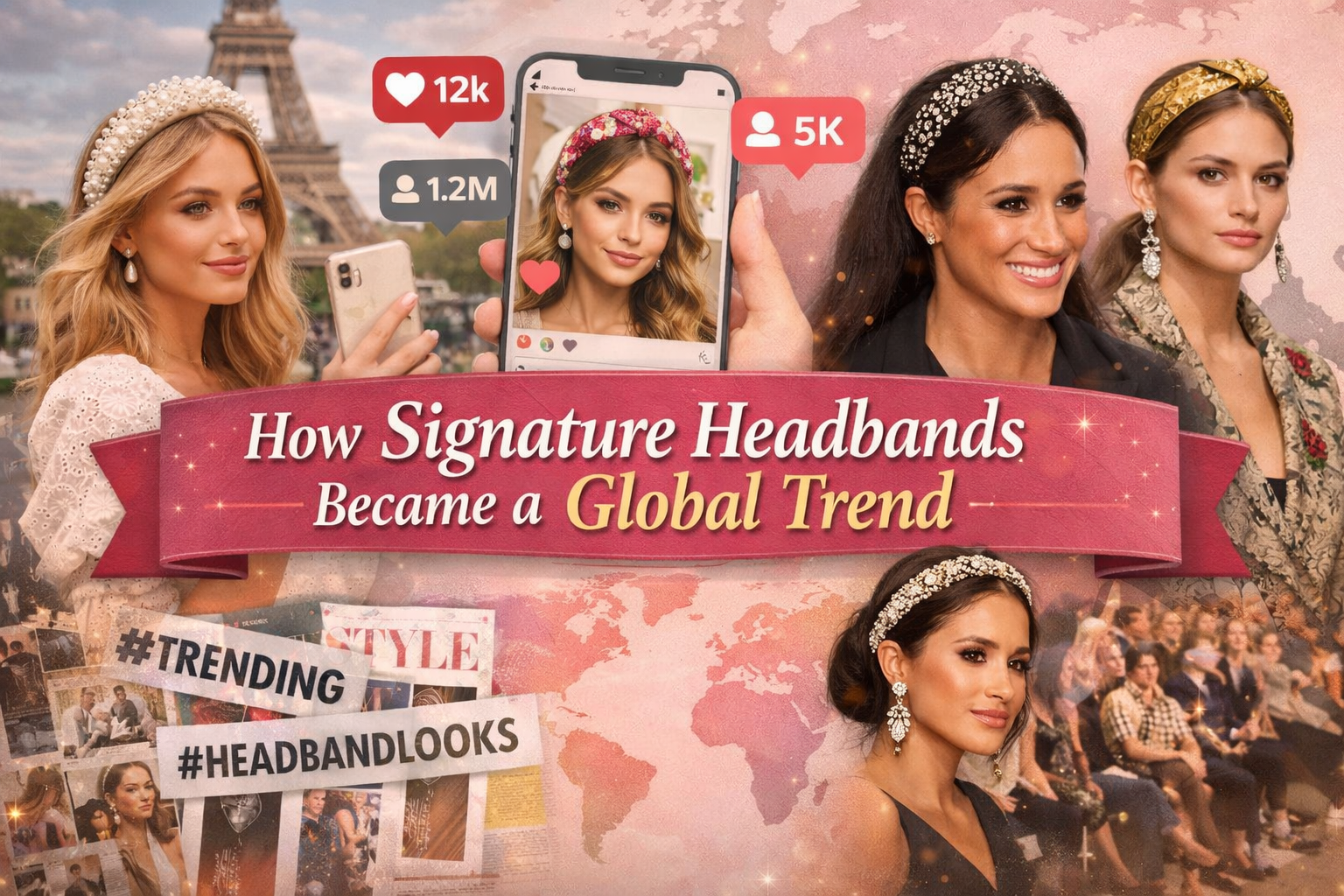
Every successful fashion brand has a defining product, and for Lele Sadoughi, that product became the knotted statement headband. While the brand originally launched with jewelry, its popularity exploded once these distinctive hair accessories gained attention.
The design was simple but bold: thick padded headbands featuring a knot at the top, often decorated with pearls, crystals, or intricate fabrics. These accessories stood out in a market filled with minimalist hairpieces. Suddenly, headbands were no longer basic—they were statement pieces.
Around 2018, the trend reached a tipping point. Fashion influencers began sharing photos of Sadoughi’s headbands on Instagram, and the style quickly went viral.
The appeal was universal. The headbands added instant personality to outfits without requiring complex styling. They also appealed to a wide audience—from young fashion enthusiasts to celebrities and even members of royalty.
What began as a niche product became a cultural phenomenon. Many fashion experts even referred to Sadoughi as the “Headband Queen.”
Social Media and Influencer Impact
The rise of social media played a major role in the brand’s rapid growth. Platforms like Instagram created a new ecosystem where visually striking products could spread quickly through influencer marketing.
Sadoughi’s designs were perfect for this environment. Bright colors, pearl embellishments, and bold textures made her accessories highly photogenic. Influencers loved showcasing them in outfit photos, which naturally introduced the brand to millions of followers.
Unlike traditional advertising campaigns, this exposure happened organically. Instead of relying on expensive marketing budgets, the brand benefited from authentic endorsements by fashion bloggers and stylists.
As more influencers adopted the headbands, the trend snowballed. Soon, celebrities and public figures were wearing them at events and on social media.
This type of organic visibility proved far more powerful than traditional advertising. It helped transform the brand into a recognizable fashion name worldwide.
Product Expansion and Brand Growth
Expanding Beyond Jewelry
Once the brand gained momentum, Sadoughi expanded beyond jewelry and headbands into new categories. The company introduced handbags, belts, sunglasses, scarves, and other fashion accessories.
Today, the brand offers nearly 15 different product categories, making it a comprehensive accessories label.
This diversification strategy helped the brand grow without losing its core identity. Every product still reflected the same design language—bold colors, decorative textures, and playful creativity.
Customers who loved the headbands often explored other items from the brand, creating strong cross-category demand.
Entering Multiple Fashion Categories
The expansion didn’t stop with traditional accessories. The brand also experimented with seasonal products and lifestyle items.
For example, during the COVID-19 pandemic, Sadoughi launched coordinated fashion masks that matched her accessories. The idea turned out to be hugely successful, with over 500,000 masks sold in a single year.
This ability to adapt quickly demonstrated the brand’s agility. Instead of waiting for market conditions to improve, Sadoughi responded to changing consumer needs with creative solutions.
That mindset helped the company maintain strong growth even during uncertain times.
Marketing Strategies Behind the Success
Organic Marketing and Brand Identity
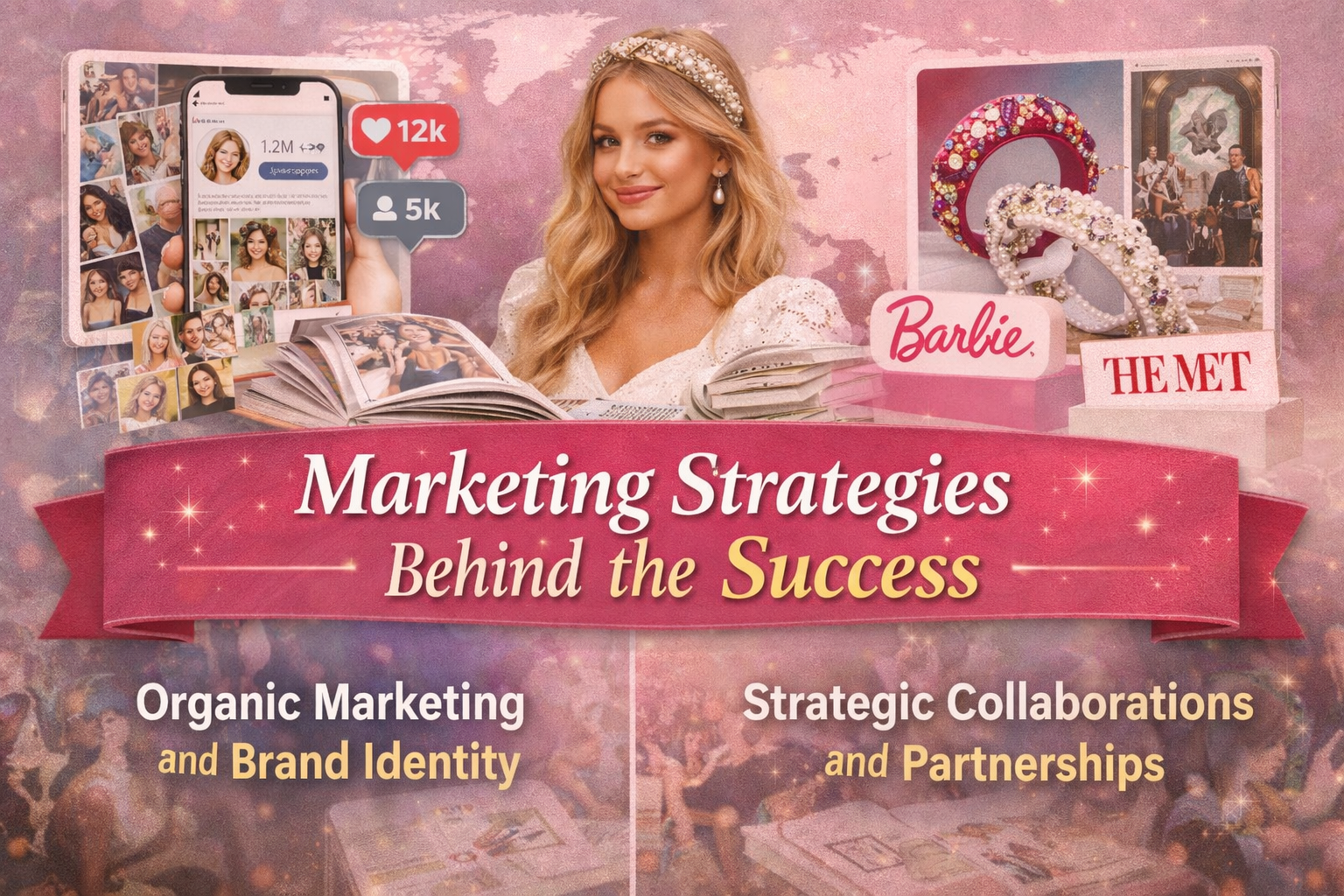
One of the most interesting aspects of the Lele Sadoughi brand is its marketing strategy. Instead of focusing heavily on traditional advertising, the company relies on storytelling, community, and visual identity.
The brand’s aesthetic is instantly recognizable. Bold pearls, colorful fabrics, and statement silhouettes create a signature look that customers can identify immediately.
This consistent branding helps build emotional connections with consumers. People don’t just buy the products—they buy into the brand’s joyful and expressive lifestyle.
Strategic Collaborations and Partnerships
Another major growth strategy involves collaborations. By partnering with other brands, artists, and institutions, Sadoughi introduces her designs to new audiences.
For instance, the brand released a special collection inspired by artworks from The Metropolitan Museum of Art, translating famous paintings into fashion accessories.
Collaborations like this strengthen the brand’s cultural relevance while also keeping its product lineup fresh.
Retail Expansion and Global Reach
Opening Physical Stores
Although the brand initially focused on online sales and wholesale distribution, it eventually expanded into physical retail. Sadoughi’s hometown of Dallas is where the first store debuted.
Retail stores allow customers to experience the products in person, which is especially important for accessories that rely on texture, color, and craftsmanship.
These locations also serve as branding hubs where fans can immerse themselves in the brand’s aesthetic world.
Direct-to-Consumer Growth
The rise of direct-to-consumer (DTC) fashion brands has changed the industry, and Sadoughi embraced this model early.
Through its online store and social media channels, the brand can communicate directly with customers, gather feedback, and launch new collections quickly.
The strategy paid off. The company experienced two consecutive years of 100% revenue growth, demonstrating the effectiveness of its business model.
Leadership and Creative Vision
Design Philosophy and Style
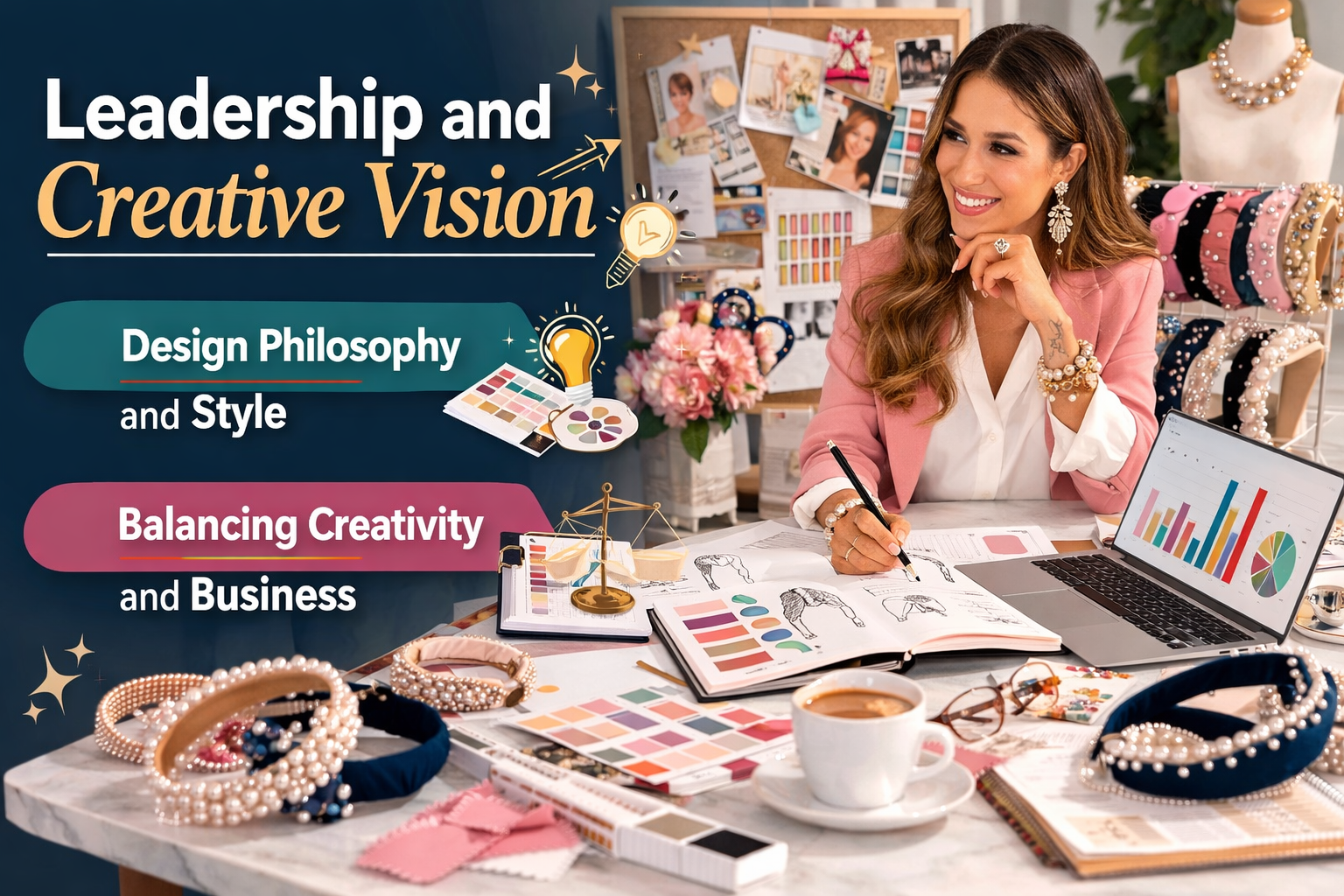
Sadoughi’s design philosophy is rooted in boldness. She believes accessories should stand out and bring joy to the person wearing them.
Instead of following minimal trends, she embraces maximalism—layered textures, oversized shapes, and vibrant colors.
This approach creates emotional impact and helps her products stand out in a crowded fashion market.
Balancing Creativity and Business
It takes more than just creativity to run a fashion brand. It demands operational strategy, financial planning, and strong leadership.
Sadoughi balances these roles by combining artistic intuition with business discipline. Her years working in large fashion houses taught her how to manage both sides effectively.
Challenges and Lessons from the Fashion Industry
Overcoming Industry Competition
The fashion industry is notoriously competitive. Thousands of designers launch new labels every year, but only a small fraction achieve lasting success.
Sadoughi overcame this challenge by focusing on a unique niche—statement accessories.
Scaling While Staying Authentic
As the brand grows, maintaining authenticity becomes more difficult. Customers expect innovation while still recognizing the original style that made them fall in love with the brand.
Sadoughi addresses this challenge by staying true to her design philosophy.
How Zumub Built a Strong E-Commerce Presence in Supplements
Why ROCKET LAWYER’s SEO Strategy Drives Consistent Leads
The Growth Marketing Strategy Behind Grover’s Rapid Expansion
How Amstar DMC (US & Canada) Supports Retail and Travel Businesses
What Is a Study Group Darmstadt DE and How It Helps Students
The Future of the Lele Sadoughi Brand
Innovation and New Collections
The brand continues experimenting with new designs, materials, and collaborations.
Each season introduces fresh interpretations of the signature style.
Long-Term Vision for the Brand
Sadoughi’s ultimate goal is simple yet ambitious: to make her company the ultimate destination for fashion accessories worldwide.
If current growth trends continue, that vision may soon become reality.
Conclusion
Lele Sadoughi’s journey from jewelry designer to global accessories entrepreneur is a powerful example of creative vision combined with smart business strategy. By leveraging her industry experience, embracing bold design aesthetics, and capitalizing on social media trends, she transformed a small jewelry label into a multi-category fashion brand recognized around the world.
The success of her signature headbands demonstrates how a single iconic product can redefine a brand’s identity. At the same time, her willingness to expand into new categories and experiment with collaborations shows the importance of adaptability in the fashion industry.
What makes the Lele Sadoughi brand truly remarkable is its focus on self-expression. Instead of simply selling accessories, the company empowers customers to express their personality through bold and joyful fashion pieces.
Frequently Asked Questions
Q. Who is Lele Sadoughi?
Lele Sadoughi is an American fashion designer and entrepreneur known for her accessories brand, particularly statement headbands and jewelry.
Q. When was the Lele Sadoughi brand founded?
The brand was launched in 2012 as a jewelry collection before expanding into multiple accessory categories.
Q. Why are Lele Sadoughi headbands so popular?
Their unique knotted design, bold embellishments, and strong presence on social media helped turn them into a global fashion trend.
Q. What products does the brand sell today?
The brand now sells headbands, jewelry, handbags, sunglasses, belts, scarves, and other accessories.
Q. What makes the Lele Sadoughi brand unique?
Its focus on bold, maximalist accessories and strong visual identity sets it apart in the fashion industry.
Table of Contents
Related Posts