Discover how Grover achieved rapid global growth through innovative growth marketing strategies, a subscription-based electronics model, strategic partnerships, and data-driven customer acquisition. This article explores the key tactics behind Grover’s expansion, its circular economy approach, and the lessons startups can learn from its scalable business model.

The Growth Marketing Strategy Behind Grover’s Rapid Expansion
Table of Contents
Understanding Grover’s Business Model
What Is Grover and How It Works
Grover is a technology subscription platform that allows people and businesses to rent consumer electronics on a monthly basis instead of buying them outright. Founded in 2015, the company offers a wide range of products such as smartphones, laptops, tablets, cameras, wearables, and gaming devices through flexible subscription plans. Instead of paying hundreds or thousands of dollars upfront for a device, customers simply subscribe, use the device for a period, and return, upgrade, or purchase it later. This approach fundamentally changes how consumers interact with technology.
At its core, Grover is built around the idea of “access over ownership.” The company recognized that consumer electronics depreciate quickly and are replaced frequently as new models arrive. Rather than forcing consumers to constantly buy expensive devices, Grover allows them to access the latest technology without long-term financial commitment. This makes technology more accessible while also creating a recurring revenue stream for the company.
The growth trajectory of Grover has been impressive. The company reached $236 million in revenue in 2022, reflecting strong adoption of its subscription model across markets. At the same time, Grover has circulated over one million devices through its rental ecosystem, demonstrating how the platform successfully combines consumer demand with sustainable device lifecycle management.
What makes Grover particularly interesting from a growth marketing perspective is how the business model itself becomes a marketing engine. Customers who upgrade devices frequently remain inside the ecosystem, while refurbished devices are recirculated to new subscribers. This creates a powerful cycle of acquisition, retention, and cost efficiency that fuels expansion.
The Rise of the Electronics Subscription Economy
The subscription economy has transformed multiple industries, from entertainment streaming to software and mobility services. Grover applied the same principle to consumer electronics, essentially creating what many analysts describe as the “Netflix for gadgets.” Instead of purchasing devices outright, consumers subscribe to access them temporarily. The idea is simple but powerful: ownership becomes less important than convenience and flexibility.
This shift in consumer behavior is not accidental. Over the past decade, people have grown comfortable paying monthly fees for digital services like streaming platforms, cloud storage, and productivity tools. Once that behavioral shift occurred, applying the subscription model to physical products became the logical next step. Grover seized this opportunity early and built an infrastructure that could support device rentals at scale.
Several broader market trends helped accelerate this shift. Consumer electronics are becoming more expensive each year, while product cycles continue to shorten. A flagship smartphone, for instance, might cost over $1,000 yet become outdated within two years. For many consumers, renting makes far more sense than purchasing something that rapidly loses value.
Grover also tapped into growing environmental awareness. Electronics contribute significantly to global e-waste, with tens of millions of tons generated annually. By refurbishing and recirculating devices multiple times, Grover extends the lifecycle of electronics and reduces waste. This sustainability angle strengthens the brand and resonates with environmentally conscious customers.
The Market Opportunity That Fueled Grover’s Growth
The Global Consumer Electronics Market
The consumer electronics industry represents one of the largest markets in the world. Smartphones, laptops, gaming consoles, and wearable devices generate hundreds of billions of dollars in annual sales. Yet despite this massive market size, traditional purchasing models often create friction for consumers. High upfront costs, rapid technological obsolescence, and environmental concerns all create opportunities for alternative business models.
Grover recognized that a subscription-based access model could capture a large share of this market. Analysts estimate the addressable market for technology subscriptions to be around $280 billion globally, indicating enormous potential for companies that successfully implement this model. By positioning itself early in this emerging category, Grover was able to build brand recognition and infrastructure before many competitors entered the space.
Another key factor driving the opportunity is the pace of technological innovation. Every year, manufacturers release updated smartphones, laptops, cameras, and wearables with incremental improvements. Consumers often feel compelled to upgrade even when their existing devices still function perfectly. Grover transforms this constant upgrade cycle into a recurring subscription opportunity.
Instead of waiting years to recover the cost of a device purchase, Grover can generate revenue through multiple rental cycles. A single device may be rented to several customers during its lifecycle, creating cumulative revenue that exceeds the product’s original cost. This economic structure supports aggressive growth while maintaining sustainable margins.
Why Consumers Prefer Access Over Ownership
The idea of renting technology may have seemed unusual a decade ago, but consumer attitudes have changed dramatically. Today’s customers value flexibility, convenience, and affordability more than permanent ownership. This shift is particularly visible among younger consumers who are accustomed to subscription services in nearly every aspect of their lives.
Renting electronics eliminates many of the frustrations associated with ownership. Customers do not need to worry about reselling outdated devices or committing large amounts of money upfront. Instead, they pay a predictable monthly fee and retain the option to upgrade whenever they choose. This flexibility aligns perfectly with the fast pace of technological change.
Another advantage is risk reduction. Many Grover subscriptions include protection for accidental damage and technical issues. This removes the fear of expensive repairs or replacement costs, making the service more attractive to consumers who rely heavily on their devices for work and personal use.
From a marketing standpoint, this model simplifies the value proposition. Rather than convincing consumers to make a large purchase decision, Grover focuses on demonstrating immediate accessibility and convenience. Lower barriers to entry naturally increase conversion rates, allowing the company to acquire customers more efficiently than traditional electronics retailers.
Grover’s Core Growth Marketing Framework
Product-Led Growth as the Foundation
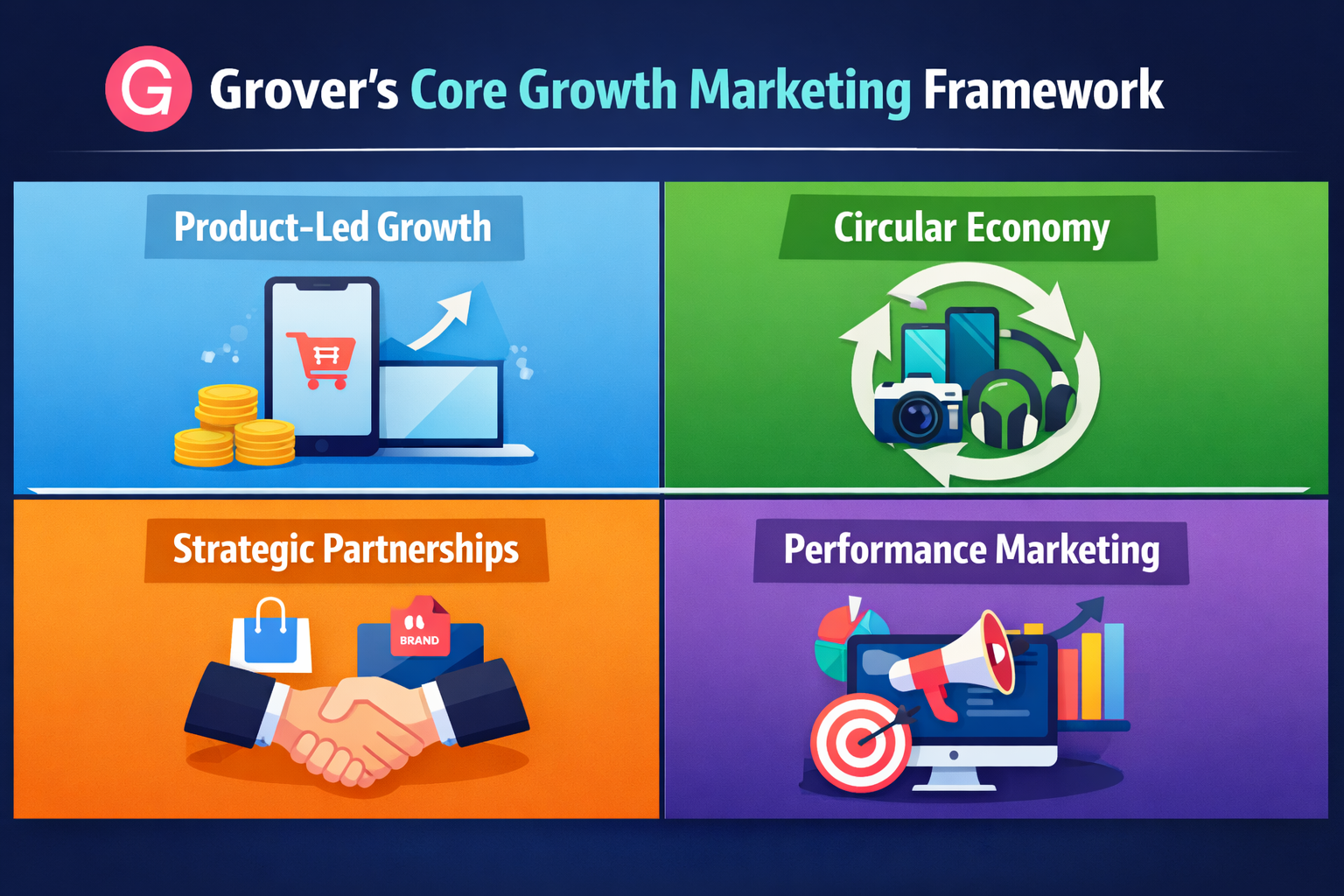
One of the most important factors behind Grover’s expansion is its product-led growth strategy. In a product-led company, the product itself becomes the primary driver of customer acquisition and retention. Instead of relying heavily on sales teams or aggressive advertising, the experience of using the product encourages customers to remain engaged and recommend it to others.
Grover’s subscription platform is designed to make the rental process extremely simple. Customers can browse available devices online, select a subscription plan, and receive the product quickly. Once the subscription period ends, they can extend, upgrade, or return the device with minimal friction. This seamless experience encourages repeat usage and reduces churn.
Product-led growth also means the company continuously improves its platform based on user behavior and feedback. Data from millions of transactions helps Grover optimize pricing, device selection, and marketing strategies. By analyzing how customers interact with the platform, the company can identify which products generate the highest demand and which subscription plans deliver the best retention.
The result is a feedback loop that strengthens the business over time. Better products attract more customers, which generates more data, which then improves the product further. This cycle is one of the most powerful drivers behind Grover’s rapid expansion.
The Circular Economy Value Proposition
Grover also differentiates itself by promoting the concept of a circular economy. Instead of treating electronics as disposable goods, the company ensures devices remain in circulation for as long as possible. When a customer returns a device, it is refurbished, reset, and prepared for another rental cycle.
This approach creates both environmental and economic benefits. By extending the lifecycle of devices, Grover reduces electronic waste and minimizes the environmental impact of technology consumption. At the same time, the company extracts maximum value from each device through multiple rental periods.
For marketing purposes, the sustainability message plays a significant role. Many modern consumers prefer brands that align with environmental values. Grover’s model directly addresses the global e-waste problem while still delivering convenience and affordability. By communicating this mission clearly, the company strengthens brand loyalty and attracts environmentally conscious customers.
The circular economy also improves operational efficiency. Since devices are reused multiple times, Grover can recover the cost of hardware investments faster and maintain healthier profit margins. This financial advantage supports continuous growth and international expansion.
Customer Acquisition Strategies
Strategic Partnerships With Retailers and Brands
Grover’s growth marketing strategy relies heavily on strategic partnerships with major electronics brands and retailers. By collaborating with established companies, Grover gains access to large customer bases and distribution networks that would be difficult to build independently.
One example is partnerships with electronics retailers that integrate Grover’s subscription options directly into their sales platforms. Customers browsing for devices can choose to rent instead of buying, creating a new revenue channel for both partners. This integration significantly reduces customer acquisition costs because the service is introduced during the purchasing decision.
Brand partnerships also help Grover secure access to popular devices from leading manufacturers. When new smartphones or laptops are released, Grover can quickly add them to its catalog, attracting customers eager to try the latest technology. This ability to offer cutting-edge products strengthens the company’s competitive advantage.
These partnerships effectively turn Grover into a platform within the broader electronics ecosystem. Instead of competing directly with retailers, Grover enhances their offerings by introducing a flexible alternative to ownership.
Performance Marketing and Digital Funnels
Digital marketing plays a central role in Grover’s acquisition strategy. The company uses performance marketing channels such as search engine advertising, social media campaigns, and retargeting to attract potential subscribers. These campaigns are optimized continuously using data analytics to ensure maximum return on investment.
Grover’s marketing funnel is designed to highlight the immediate benefits of the subscription model. Ads emphasize affordability, flexibility, and access to premium devices without long-term commitment. Once potential customers visit the website, they encounter simplified onboarding processes that reduce friction during signup.
Another powerful tactic is retargeting. Many consumers research electronics before making a decision, and Grover ensures its messaging appears repeatedly during this process. By reminding potential customers that they can access devices without purchasing them, the company nudges them toward subscription instead of ownership.
Content marketing also contributes to growth by educating consumers about the advantages of renting technology. Articles, guides, and comparison tools help customers understand how subscriptions can save money and provide flexibility. This educational approach builds trust and positions Grover as a thought leader in the emerging electronics-as-a-service category.
Retention and Customer Lifetime Value
Subscription Model and Recurring Revenue
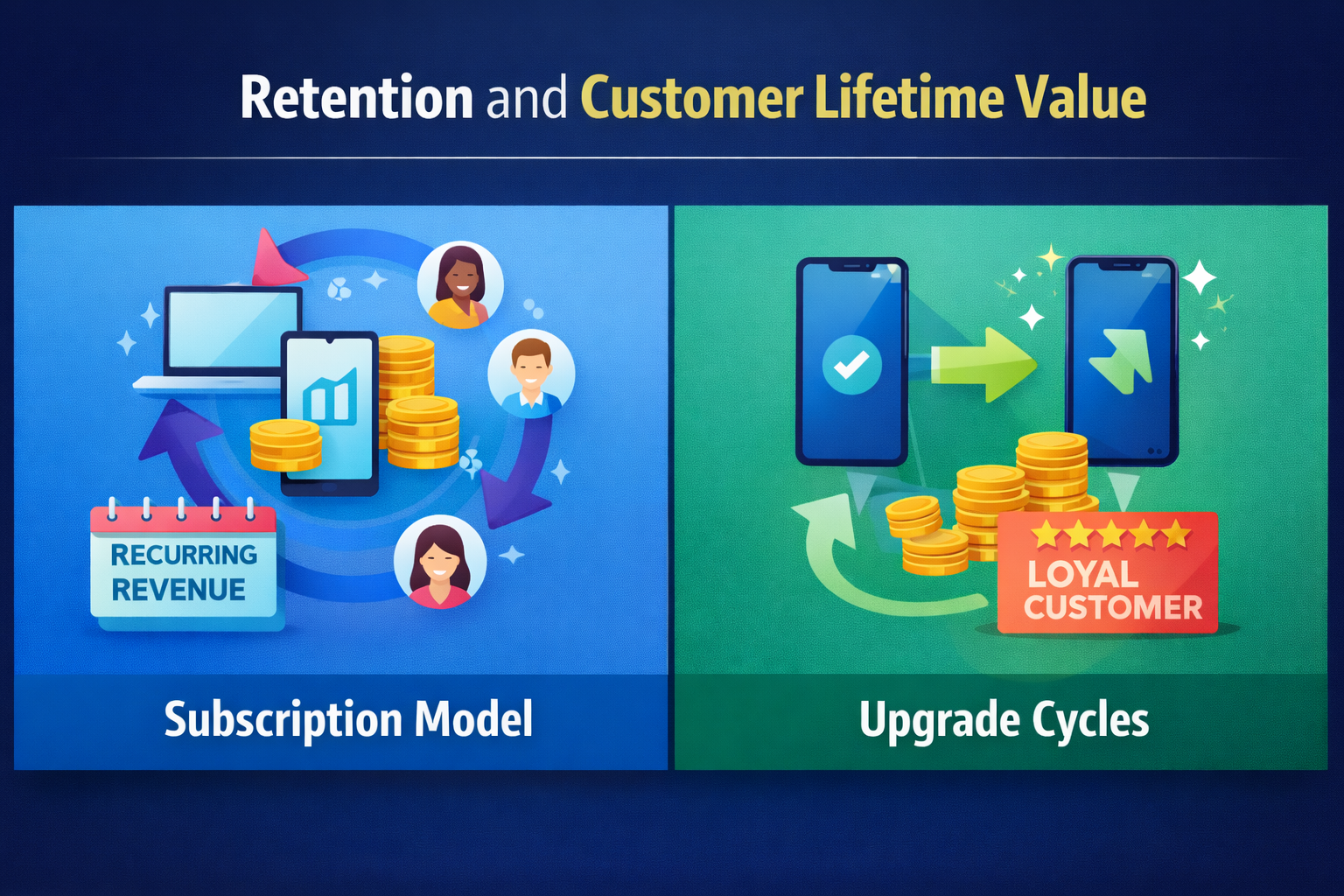
Grover’s subscription model naturally supports high customer retention because it aligns with ongoing consumer needs. Once a customer enters the ecosystem, they often continue renting devices for extended periods. Some customers upgrade regularly, while others maintain long-term subscriptions for essential devices such as laptops or smartphones.
Recurring revenue provides financial stability and predictability, allowing Grover to plan growth strategies more effectively. Unlike traditional retailers that rely on one-time purchases, Grover generates monthly revenue from active subscriptions. This consistent cash flow supports marketing investments and expansion initiatives.
The subscription structure also encourages experimentation. Customers who might hesitate to purchase an expensive device may feel comfortable renting it temporarily. This increases adoption of premium products and expands the overall customer base.
Upgrade Cycles and Device Replacement Strategy
Technology evolves rapidly, and Grover turns this constant innovation into a retention advantage. When new devices are released, existing subscribers are often eager to upgrade. Instead of leaving the platform to purchase new hardware elsewhere, they simply exchange their current device for a newer model.
This upgrade cycle strengthens customer relationships while generating additional revenue. Each upgrade resets the subscription period and extends the customer lifecycle. Over time, a single subscriber may rent multiple devices, dramatically increasing lifetime value.
From a marketing perspective, upgrade announcements serve as powerful engagement tools. Email campaigns, app notifications, and personalized recommendations encourage subscribers to explore new devices. These touchpoints keep customers actively engaged with the platform.
Expansion Strategy and Global Scaling
Market Expansion Across Europe and the U.S.
Grover initially launched in Europe but quickly expanded into multiple markets as demand increased. The company operates in countries such as Germany, Austria, Spain, and the Netherlands while also exploring opportunities in North America. International expansion has been a key component of Grover’s growth strategy.
The company’s ability to scale globally depends on its digital platform and logistics infrastructure. By maintaining centralized systems for inventory management, refurbishment, and subscription processing, Grover can replicate its model in new markets efficiently.
International expansion also diversifies revenue streams and reduces reliance on any single region. As consumer awareness of subscription services grows worldwide, Grover is well positioned to capture new audiences.
B2B Growth Through Enterprise Solutions
In addition to consumer subscriptions, Grover offers services for businesses that need flexible access to technology. Startups and growing companies often require laptops, smartphones, and other devices for employees, but purchasing large quantities upfront can strain budgets.
Grover’s enterprise solutions allow businesses to rent devices as needed and scale their technology infrastructure dynamically. When teams expand, companies simply add more subscriptions. When devices become outdated, they can upgrade without managing resale or disposal.
This B2B offering opens an entirely new revenue stream. Businesses tend to maintain longer subscriptions and rent multiple devices simultaneously, creating higher lifetime value compared to individual consumers.
Funding and Financial Strategy Supporting Growth
Venture Capital and Asset-Backed Financing
Rapid expansion requires significant financial resources, and Grover has successfully secured large funding rounds to support its growth. The company has raised over $323 million in funding across multiple investment rounds, attracting major investors in the technology and fintech sectors.
One of the most interesting aspects of Grover’s financial strategy is its use of asset-backed financing. Since the company owns thousands of devices that generate rental revenue, those assets can be used as collateral for funding. This allows Grover to expand its inventory without diluting equity excessively.
This financing model is particularly effective for subscription businesses that rely on physical assets. By separating ownership of devices from the subscription platform, Grover can continue scaling while maintaining operational flexibility.
Revenue Growth and Financial Milestones
Grover’s financial performance demonstrates the success of its growth marketing strategy. The company generated $236 million in revenue in 2022, representing strong growth compared to earlier years. The platform has also achieved a valuation exceeding $1 billion, confirming investor confidence in the subscription electronics model.
Revenue growth is driven by several factors, including increased adoption of subscriptions, expansion into new markets, and partnerships with major electronics brands. As awareness of the service continues to grow, Grover is expected to capture a larger share of the global consumer electronics market.
Technology and Data-Driven Marketing
Leveraging Data for Customer Insights
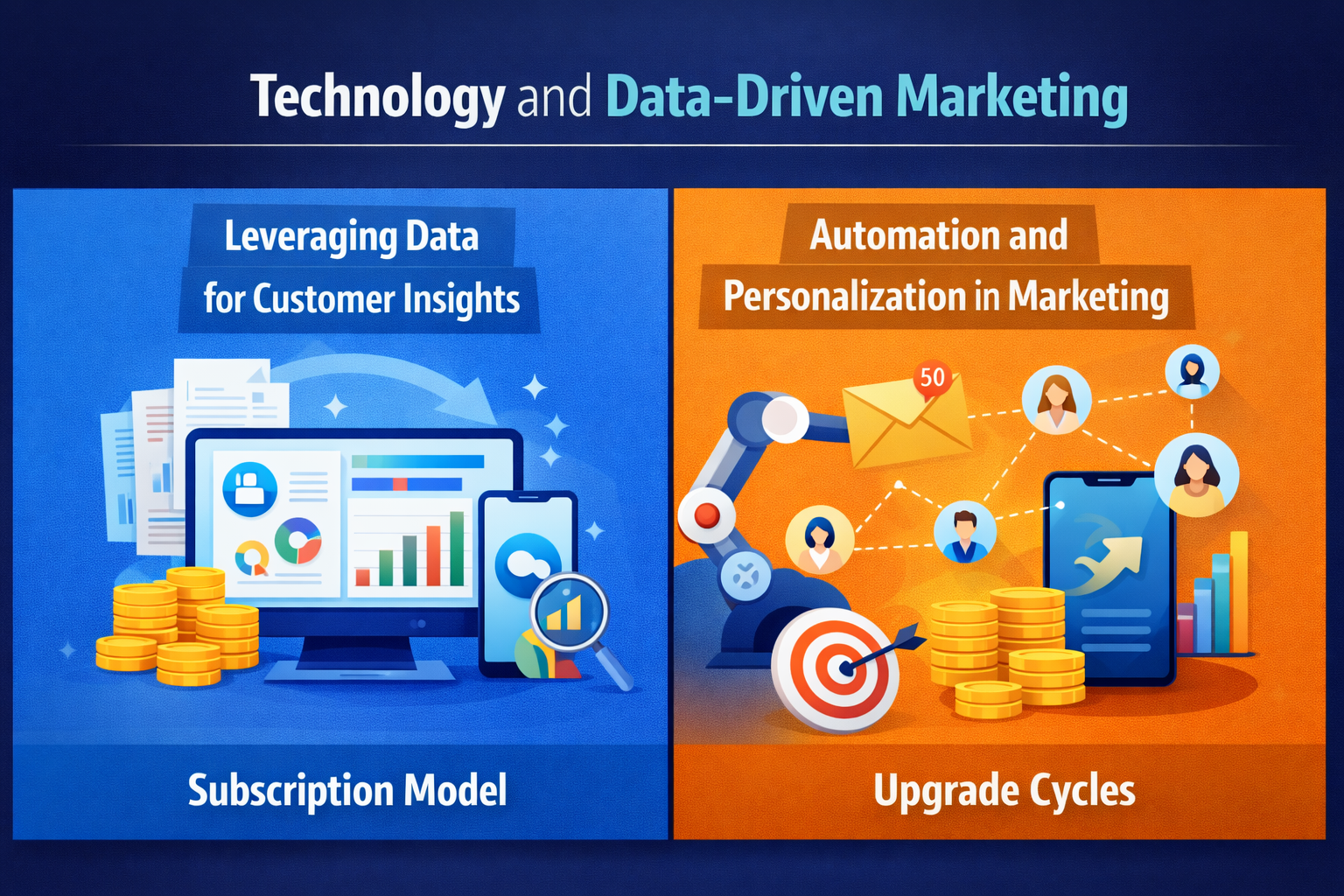
Data analytics plays a critical role in Grover’s marketing strategy. Every interaction on the platform generates valuable insights about customer preferences, device demand, and subscription behavior. By analyzing this data, Grover can refine its marketing campaigns and product offerings.
For example, data may reveal which devices are most popular among specific demographics or which subscription lengths produce the highest retention rates. These insights allow the company to personalize marketing messages and optimize pricing strategies.
Data also helps Grover forecast demand and manage inventory efficiently. Predictive models ensure that popular devices remain available while minimizing excess inventory for less popular products.
Automation and Personalization in Marketing
Automation tools allow Grover to deliver personalized marketing experiences at scale. Email campaigns, push notifications, and targeted advertisements are tailored based on customer behavior and preferences.
For instance, if a subscriber frequently rents photography equipment, the platform may recommend the latest cameras or accessories. Similarly, customers nearing the end of a subscription period may receive upgrade suggestions or promotional offers.
Personalization not only increases conversion rates but also strengthens customer loyalty. When users feel that recommendations align with their interests, they are more likely to remain engaged with the platform.
Lessons Startups Can Learn From Grover
Grover’s rapid growth offers valuable lessons for startups and entrepreneurs. One of the most important insights is the power of reimagining traditional industries through subscription models. By shifting the focus from ownership to access, Grover unlocked a new market segment that previously did not exist.
Another key lesson is the importance of aligning business models with long-term consumer trends. Grover recognized early that people increasingly value flexibility and sustainability. By building a platform that addresses both priorities, the company created a compelling value proposition that resonates with modern customers.
Startups can also learn from Grover’s strategic use of partnerships. Instead of competing with established retailers, the company integrated its service into their ecosystems. This collaborative approach accelerated customer acquisition and expanded distribution channels.
Finally, Grover demonstrates how data-driven decision making can enhance growth marketing. By continuously analyzing customer behavior, the company refines its strategies and adapts quickly to changing market conditions.
Conclusion
Grover’s rapid expansion is not the result of a single marketing tactic but rather a carefully orchestrated growth strategy built on multiple pillars. The company combined a powerful subscription business model with product-led growth, strategic partnerships, data-driven marketing, and a sustainability-focused brand narrative. Together, these elements created a scalable ecosystem that continuously attracts and retains customers.
At the heart of Grover’s success lies a simple but transformative idea: technology should be accessible without requiring ownership. By turning electronics into a subscription service, the company aligned itself with evolving consumer preferences and global sustainability trends. This alignment allowed Grover to scale rapidly while building a loyal customer base.
As the subscription economy continues to expand across industries, Grover’s strategy offers a blueprint for future innovators. Businesses that prioritize flexibility, customer experience, and environmental responsibility may find similar opportunities to disrupt traditional markets.
Frequently Asked Questions
Q. What does Grover do?
Grover is a technology subscription platform that allows customers to rent consumer electronics such as smartphones, laptops, and wearables on a monthly basis instead of purchasing them.
Q. When was Grover founded?
Grover was founded in 2015 with the mission of making technology more accessible through flexible subscription services.
Q. How does Grover make money?
Grover generates revenue through monthly subscription fees paid by customers renting electronic devices. Devices are refurbished and rented multiple times, increasing profitability.
Q. How large is Grover’s business today?
Grover generated $236 million in revenue in 2022 and has achieved a valuation exceeding $1 billion, reflecting strong investor confidence in its business model.
Q. Why is Grover’s model considered sustainable?
Grover promotes a circular economy by refurbishing and reusing devices multiple times, reducing electronic waste and extending the lifecycle of consumer electronics.
Table of Contents
Related Posts