Learning a new language in 2026 feels completely different from what it did a decade ago. Instead of sitting in crowded classrooms or memorizing grammar books that gather dust on your shelf, people now connect instantly with native speakers from around the world. That’s exactly where italki DE has carved out a strong reputation. Whether you want to improve your German, English, Spanish, Japanese, or even less common languages, the platform promises personalized lessons with real tutors online.

italki DE Review 2026: Best Platform to Learn Languages Online?
Table of Contents
What Is italki and How Does It Work?
The Core Idea Behind italki
At its heart, italki is an online marketplace connecting language learners with tutors from around the world. Think of it like Uber, but instead of booking rides, you book language lessons. The platform started years ago as a language exchange community, but by 2026 it has evolved into one of the biggest online tutoring ecosystems for language learning. According to public platform information, italki now serves millions of students and supports more than 150 languages.
The system is surprisingly simple. You create an account, choose the language you want to learn, browse tutor profiles, watch introduction videos, compare prices, and book lessons directly. Unlike traditional language schools that force everyone through the same curriculum, italki gives you total control. Want casual conversation practice? You can do that. Need structured grammar lessons for an exam? That’s possible too.
Languages Available on the Platform
One area where italki completely dominates is language variety. Many apps focus heavily on mainstream languages like Spanish, French, and German. italki goes much further. You can find tutors for Korean, Arabic, Thai, Turkish, Vietnamese, Polish, and dozens of regional languages that rarely appear on standard apps.
This makes the platform especially valuable for serious learners or people with specific goals. Maybe you’re moving to Germany for work, planning to study in Japan, or preparing for a French immigration interview. Instead of relying on robotic exercises, you interact with real humans who actually speak the language daily.
Community Tutors vs Professional Teachers
italki divides tutors into two categories:
Tutor Type | Description | Best For |
Community Tutors | Native speakers focused mainly on conversation practice | Casual learners and speaking practice |
Professional Teachers | Certified educators with structured teaching experience | Exams, grammar, and advanced study |
This distinction matters more than people realize. Community tutors are often cheaper and excellent for fluency practice. Professional teachers usually cost more but provide structured lessons, homework, and long-term progression plans.
italki Classroom and Learning Tools
In earlier years, many italki lessons depended heavily on Zoom or Skype. By 2026, the built-in classroom experience has improved significantly. The platform now includes integrated video calls, chat systems, screen sharing, and collaborative tools directly inside lessons.
There are also additional resources like quizzes, podcasts, vocabulary exercises, and AI-generated study materials available through italki Plus.
The overall interface feels modern and beginner-friendly. Finding tutors is straightforward because filters allow users to search by price, availability, country, accent, lesson style, and even specialties like business language or exam preparation.
Key Features of italki in 2026
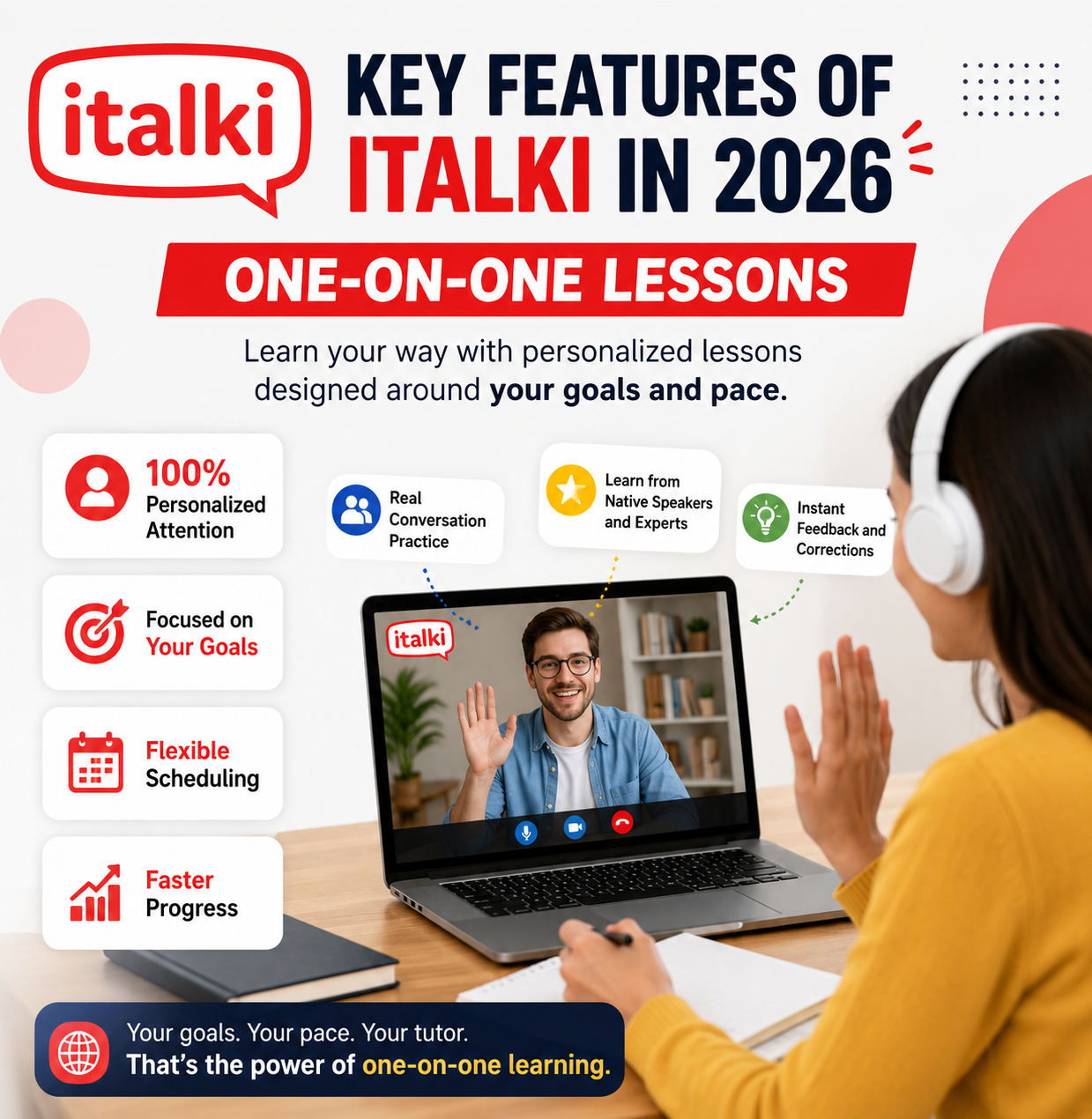
One-on-One Lessons
The biggest selling point of italki is personalized learning. Every lesson happens one-on-one with a tutor, which means the experience adapts entirely to your goals and pace. If you struggle with pronunciation, lessons can focus on speaking. If grammar terrifies you, tutors can simplify concepts in ways apps simply cannot.
This is where italki feels dramatically different from platforms like Duolingo. Apps are great for building habits, but they cannot react dynamically to your mistakes. Human tutors can. They notice hesitation, misunderstandings, and pronunciation problems immediately.
italki Pricing Explained
Lesson Costs
Pricing on italki varies wildly depending on the tutor and language. Current reports show lessons ranging from as low as $4 per hour to over $80 per hour.
Here’s a rough breakdown:
Lesson Type | Average Price |
Trial Lessons | $5–$10 |
Community Tutors | $4–$20/hour |
Professional Teachers | $10–$40+/hour |
For popular languages like English, Spanish, French, and German, competition keeps prices relatively affordable. Rare languages or highly experienced teachers naturally cost more.
italki Plus Membership
italki also introduced a premium subscription called italki Plus, priced around $5–$6 per month depending on billing cycles.
The membership includes features like:
- Progress tracking
- AI study tools
- Personalized quizzes
- Learning plans
- Discounts and organizational features
For casual learners, italki Plus isn’t essential. But for dedicated learners taking multiple weekly lessons, the additional structure can be genuinely useful.
User Experience and Interface
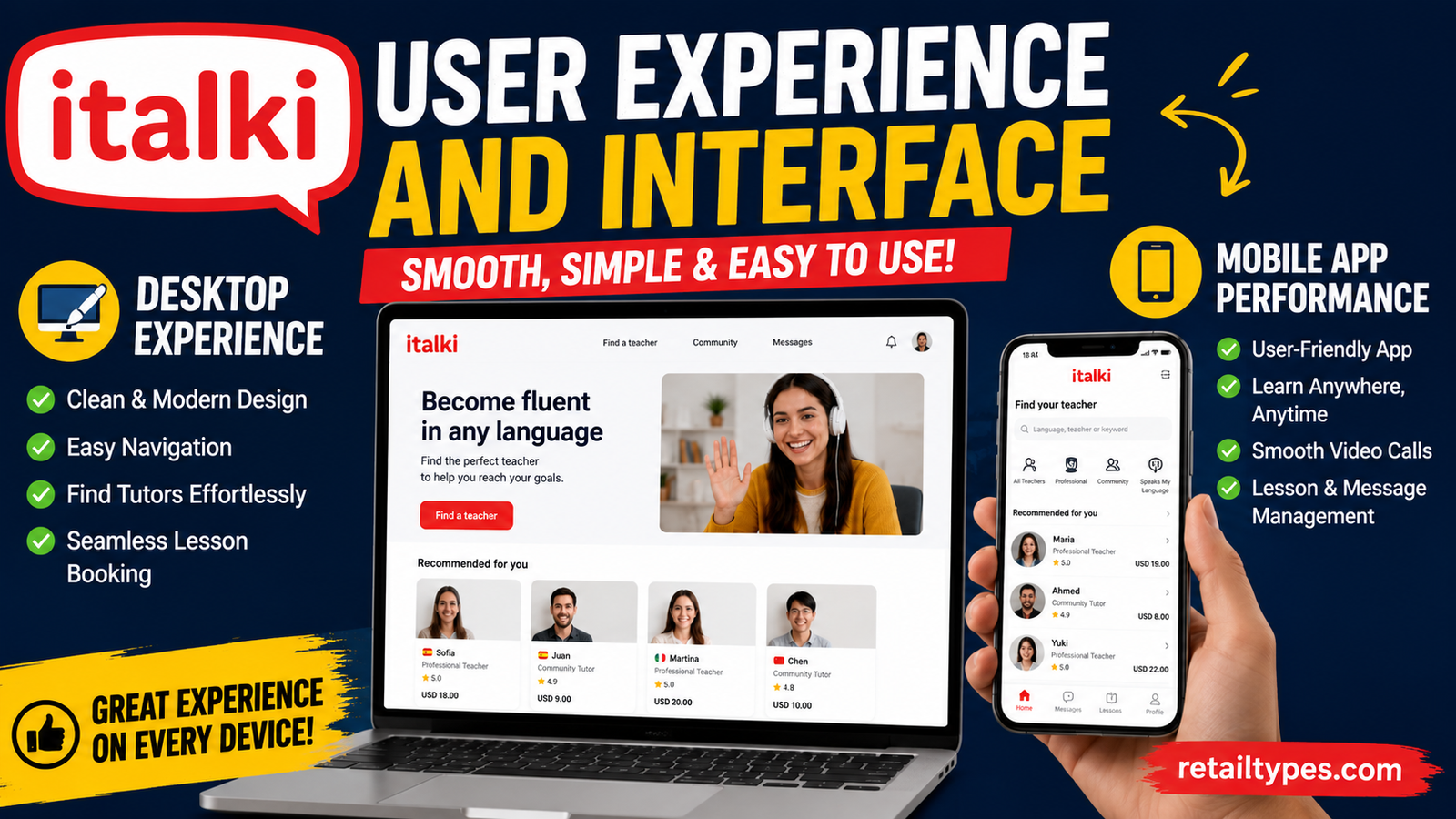
Desktop Experience
The desktop version of italki is polished and intuitive. Tutor discovery feels smooth, calendars sync well, and lesson booking rarely becomes confusing. Even first-time users can navigate the platform without technical headaches.
One underrated feature is tutor introduction videos. Watching teachers speak naturally helps you judge personality, communication style, accent clarity, and energy before spending money. That’s much more effective than reading plain profile descriptions.
Mobile App Performance
The mobile app performs well overall and supports most platform functions. Users can message tutors, join lessons, reschedule sessions, and manage payments directly from their phones. Reviews consistently mention that the app is convenient and user-friendly.
That said, some users still report occasional bugs with notifications, classroom video quality, and calendar syncing. These issues are frustrating but not severe enough to ruin the overall experience.
Is italki Affordable for Daily Learning?
This is where things become tricky.
If you take one or two lessons per week, italki can be surprisingly affordable. But daily practice quickly becomes expensive. Some estimates suggest serious learners spend $150–$250 monthly on lessons.
For example:
Study Frequency | Estimated Monthly Cost |
1 lesson/week | $40–$80 |
3 lessons/week | $120–$250 |
Daily lessons | $300–$700+ |
That’s why many users combine italki with free tools like YouTube, podcasts, or apps. Think of italki as your “gym trainer” rather than your entire workout system.
Best Things About italki
Flexibility and Scheduling
Traditional language schools often feel like wearing shoes that don’t fit. You follow fixed schedules, fixed curriculums, and fixed teaching styles. italki breaks all those rules.
You decide:
- When to learn
- How often to learn
- Which tutor to choose
- What lesson style you prefer
That freedom is incredibly powerful for adults balancing work, studies, or travel schedules.
Huge Tutor Marketplace
The tutor selection is honestly massive. You can find energetic conversation coaches, patient beginner teachers, strict grammar experts, business communication specialists, and exam preparation professionals all in one place.
Because tutors compete openly, students can compare teaching styles and pricing easily. That transparency creates better value compared to private tutoring agencies.
Learning With Native Speakers
Nothing replaces real conversation. Apps can help vocabulary, but fluency comes from interaction. italki excels because it puts human communication at the center of learning.
You stop translating mentally and begin thinking naturally in the language. That shift is where real progress happens.
italki for Business Professionals and Remote Workers

Remote work and global hiring have changed the language-learning industry dramatically in 2026. More professionals now need multilingual communication skills for international clients, remote teams, and overseas job opportunities. This shift has made platforms like italki even more valuable.
Business-focused tutors on italki often create lessons tailored to workplace situations. Instead of generic textbook conversations about ordering coffee, lessons may focus on:
- Business presentations
- Job interviews
- Professional email writing
- Negotiation vocabulary
- Client communication
- Industry-specific terminology
Drawbacks You Should Know
Tutor Quality Varies
The biggest weakness of italki is inconsistency. Some tutors are incredible. Others feel unprepared or inexperienced.
Because teaching styles vary dramatically, students often need several trial lessons before finding the right fit. That process costs both time and money.
No Structured Curriculum
Beginners sometimes feel overwhelmed because italki doesn’t provide a strict roadmap. Unlike apps that guide users step-by-step, italki gives freedom — and freedom can feel chaotic without direction.
Self-motivated learners thrive here. People who need rigid structure may struggle initially.
Costs Can Increase Quickly
This platform is not the cheapest option for intensive learning. Weekly or daily lessons add up fast, especially with professional teachers.
For budget-conscious learners, it’s best used strategically alongside cheaper learning resources.
Lastminute SE Review 2026: Best Deals for Swedish Travelers?
Parcel ABC ES Review: Is It the Best Shipping Platform in Spain?
Vevor US Products: Quality, Pricing & Performance GuideZ
Holiday Extras FR: Complete Guide to Travel Add-Ons in France
Boost Your Travel Experience with Holiday Extras DE: Complete Guide
italki vs Other Language Learning Platforms
italki vs Preply
Both platforms connect students with tutors, but their approaches differ slightly.
Feature | italki | Preply |
Pricing Flexibility | High | Moderate |
Tutor Variety | Massive | Large |
Structured Learning | Depends on tutor | More guided |
Community Features | Strong | Limited |
Subscription Pressure | Low | Higher |
italki vs Duolingo
This comparison is almost unfair because the platforms serve different purposes.
Feature | italki | Duolingo |
Human Interaction | Yes | No |
Speaking Practice | Excellent | Limited |
Cost | Higher | Mostly Free |
Grammar Depth | Tutor-dependent | Basic |
Real Conversations | Strong | Weak |
Is italki Good for Beginners?
Yes — but with conditions.
Beginners who enjoy exploration and flexibility usually love italki. With the right tutor, starting from zero becomes surprisingly comfortable because lessons adapt naturally to your pace.
However, complete beginners who want a strict curriculum may initially feel lost. The platform expects users to actively choose teachers and shape their own learning path.
Who Should Use italki in 2026?
italki works best for:
- Travelers preparing for trips
- Students preparing for exams
- Professionals relocating abroad
- Intermediate learners stuck at conversational barriers
- People wanting authentic speaking practice
- Learners needing flexible schedules
It may not suit:
- People wanting completely free learning
- Users who dislike self-management
- Students needing fully structured classroom systems
Conclusion
italki remains one of the strongest language-learning platforms available in 2026 because it solves the biggest weakness of traditional apps: lack of real human interaction.
The platform succeeds because language learning is fundamentally social. Vocabulary apps can help memorization, but fluency grows through conversation, correction, and cultural understanding. italki delivers exactly that.
Its biggest strengths are flexibility, tutor variety, and authentic communication practice. Its biggest weaknesses are inconsistent tutor quality and costs that can become expensive with intensive usage.
Frequently Asked Questions
Q. Is italki free to use?
Creating an account is free, but lessons are paid individually. Some community features and trial lessons may be low-cost or free.
Q. How much does italki cost per month?
It depends entirely on lesson frequency. Casual learners may spend $40–$80 monthly, while intensive learners can spend over $250 monthly.
Q. Is italki better than Duolingo?
For speaking and real conversation practice, yes. For free vocabulary exercises and daily habits, Duolingo remains useful.
Q. Can beginners use italki?
Absolutely. Many tutors specialize in beginners and provide patient, step-by-step guidance.
Q. Which languages can I learn on italki?
The platform supports more than 150 languages, including English, German, Japanese, Korean, Spanish, Arabic, French, and many more.
Table of Contents
Related Posts