Discover how ROCKET LAWYER uses a powerful SEO strategy to generate consistent leads. This article explains the key techniques behind ROCKET LAWYER’s content marketing, keyword targeting, and search optimization that help the platform attract high-intent users and convert organic traffic into reliable business growth.

Why ROCKET LAWYER’s SEO Strategy Drives Consistent Leads
Table of Contents
Understanding Rocket Lawyer’s Digital Growth Engine
What Rocket Lawyer Does and Why SEO Matters
When people face legal problems, the first place they turn is usually Google. Whether someone needs help drafting a contract, creating an LLC, or understanding employment laws, they often start with a simple search like “how to write a legal agreement” or “start a business legally.” This is exactly where Rocket Lawyer has built its competitive advantage. Instead of relying solely on paid ads or referrals, the company built a powerful SEO-driven content ecosystem that attracts millions of potential clients every month.
Rocket Lawyer operates as an online legal service platform that helps individuals and businesses access legal documents, attorney consultations, and compliance tools. Their services cover areas such as business formation, employment contracts, wills, and intellectual property documentation. Because these topics are widely searched online, they naturally align with search engine optimization strategies. This alignment allows Rocket Lawyer to capture traffic from people actively looking for solutions.
Statistics show why SEO is so important in the legal industry. Organic search and local search together drive about 69% of digital traffic, and up to 66% of legal service call conversions come from organic search results. That means when someone types a legal question into Google, the firms or platforms ranking at the top have a massive opportunity to convert that visitor into a paying client. Rocket Lawyer understands this reality extremely well.
The company’s strategy revolves around answering legal questions before users even know they need a lawyer. By ranking for thousands of legal search queries, they meet users at the earliest stage of the decision journey. This approach turns search traffic into predictable lead generation, which is the real reason their SEO strategy works so effectively.
The Role of Organic Traffic in Legal Platforms
Organic traffic is the backbone of sustainable digital growth for legal platforms like Rocket Lawyer. Unlike paid ads, which stop producing results the moment a company stops spending money, SEO generates ongoing visibility once a page ranks well. For businesses offering legal services, this advantage is even more powerful because legal queries tend to remain stable over time. People will always search for things like “how to create a contract” or “steps to start a company.”
Rocket Lawyer’s website attracts millions of visitors every month. At one point, the platform was estimated to receive more than 2.27 million monthly visits, with users spending nearly four minutes per session and viewing around seven pages per visit. Those engagement metrics reveal something important: people don’t just land on the site and leave. They explore multiple resources, tools, and documents before taking action.
This type of behavior is exactly what search engines love to see. When users spend more time on a website and visit multiple pages, it signals that the content is helpful and relevant. Google’s algorithms interpret this engagement as a sign of quality, which can improve rankings even further.
Organic traffic also creates a compound growth effect. Every blog article, guide, or legal resource becomes a new entry point into the website. Over time, thousands of these pages create a massive web of searchable content. That means Rocket Lawyer doesn’t rely on just one keyword or topic—it ranks for thousands of related searches. The result is a steady stream of visitors entering the platform from different directions.
This strategy turns SEO into something far more powerful than just marketing. It becomes a scalable lead-generation system that works around the clock.
The Foundation of Rocket Lawyer’s SEO Success
Technical SEO Infrastructure
Before content or keywords even come into play, successful SEO begins with a strong technical foundation. Rocket Lawyer’s website is built in a way that search engines can easily crawl, understand, and index its pages. Without this foundation, even the best content would struggle to rank in search results.
Technical SEO involves optimizing elements such as page speed, mobile responsiveness, secure connections, structured data, and proper indexing. Search engines prioritize websites that load quickly and function smoothly across devices. If a page takes too long to load or is difficult to navigate on a smartphone, users leave—and Google notices.
Legal platforms face an additional challenge because they often contain thousands of pages of documents, templates, and educational resources. Managing such a large content library requires well-organized architecture. Rocket Lawyer uses structured navigation and clear page hierarchies to help search engines understand how different pieces of content relate to each other.
Schema markup is another crucial component of technical SEO. Schema helps search engines interpret specific types of content, such as legal documents, FAQs, and professional services. When implemented correctly, schema can enable rich search results that display additional information directly on Google’s results page.
Technical optimization also includes maintaining clean URLs, avoiding duplicate pages, and ensuring proper internal linking. These details might sound small, but together they make a huge difference in search visibility. When search engines can crawl a website efficiently, they are more likely to index its pages quickly and rank them higher.
Rocket Lawyer’s investment in technical SEO ensures that every new piece of content has the best possible chance of performing well in search results.
Optimized Site Architecture and User Experience
SEO success is not just about ranking on Google—it’s about what happens after someone clicks a search result. If users land on a website that feels confusing or cluttered, they leave within seconds. Rocket Lawyer avoids this problem by focusing heavily on user experience and intuitive site architecture.
Think of the website like a well-organized library. Instead of random shelves filled with unrelated books, everything is categorized clearly. Visitors can easily navigate between topics like business formation, employment law, intellectual property, and estate planning. This organization helps users find answers quickly and encourages them to explore additional resources.
Internal linking plays a major role in this process. When someone reads a guide about starting a business, they might see links to related topics such as registering an LLC, drafting operating agreements, or hiring employees legally. These connections keep users engaged while simultaneously helping search engines understand the relationships between pages.
Another advantage of strong site architecture is improved topical authority. When multiple pages focus on related legal subjects, search engines recognize that the website has deep expertise in those areas. Over time, this strengthens the site’s credibility and increases the likelihood of ranking for competitive keywords.
The end result is a seamless experience where visitors move naturally from information to action. Instead of leaving the site to search elsewhere, they remain within the Rocket Lawyer ecosystem—reading guides, exploring tools, and eventually signing up for services.
Content Marketing as the Core of Rocket Lawyer’s SEO
Building Authority Through Educational Legal Content

Content marketing is arguably the most powerful part of Rocket Lawyer’s SEO strategy. Rather than simply advertising legal services, the company provides a massive library of educational resources that answer real questions people search online.
This approach is incredibly effective because most legal queries start with curiosity rather than urgency. Someone might not immediately need a lawyer, but they want to understand their options. When Rocket Lawyer provides helpful explanations and step-by-step guides, it builds trust with that user.
For example, articles might explain topics like forming a business, writing contracts, protecting intellectual property, or managing employment disputes. These resources are written in accessible language so that non-lawyers can understand complex legal concepts.
By publishing helpful information, Rocket Lawyer positions itself as a trusted authority rather than just another service provider. When readers eventually need legal assistance, the platform that helped them earlier naturally becomes the first option they consider.
Search engines reward this type of content because it provides genuine value to users. Informational articles often rank well for long-tail keywords, which can collectively drive enormous amounts of traffic.
Topic Clusters and Content Depth
Rocket Lawyer’s content strategy doesn’t rely on random blog posts. Instead, it follows a topic cluster model. In this structure, a central page covers a broad subject while supporting articles explore related subtopics in detail.
For example, a main page about starting a business might link to separate guides covering:
- LLC formation
- Business licenses
- Operating agreements
- Employer tax obligations
- Legal compliance for startups
This cluster structure helps search engines understand that the website has deep expertise in a particular area. When multiple pages support each other around the same topic, they collectively strengthen the site’s authority.
This is a significant ranking criterion that SEO specialists frequently refer to as topical authority. Pages that align closely with a site’s core expertise tend to perform better in search results.
Rocket Lawyer’s extensive content ecosystem ensures that nearly every legal question has a corresponding answer somewhere on the site. This breadth allows the platform to capture a massive range of search queries, from simple definitions to complex legal scenarios.
Keyword Strategy That Captures High-Intent Searches
Long-Tail Keywords for Legal Queries
Keyword strategy plays a critical role in attracting the right audience. Rocket Lawyer targets not only broad keywords like “legal documents” but also highly specific phrases known as long-tail keywords. These longer queries often reflect clear intent and are more likely to convert into leads.
Examples might include:
- “How to create a non-disclosure agreement”
- “Steps to form an LLC in California”
- “What should an employment contract contain?”
These queries may have lower search volume individually, but collectively they represent millions of searches each month. Because they are highly specific, the competition is often lower, making it easier to rank for them.
Long-tail keywords also attract visitors who are further along in the decision process. Someone searching for “business contract template” likely needs a solution immediately. When Rocket Lawyer provides that template along with helpful guidance, the path from search to conversion becomes extremely short.
Search Intent Mapping
Understanding search intent is just as important as choosing keywords. Every search query reflects a specific purpose—information, comparison, or purchase. Rocket Lawyer structures its content to match each stage of the user journey.
Informational searches are answered through blog articles and legal guides. Comparison searches might lead to pages explaining the benefits of different legal document types. Transactional searches connect users directly with document builders or attorney consultations.
This layered strategy ensures that the website captures visitors at every stage of the decision process. Whether someone is simply researching a topic or ready to create a legal document, Rocket Lawyer has content designed for that exact moment.
Strong Content Marketing Strategy
One of the biggest reasons behind ROCKET LAWYER’s SEO success is its focus on creating informative and helpful content. The platform publishes articles, guides, and resources that explain complex legal topics in simple language. Many users search online for answers to legal questions before contacting a lawyer, and ROCKET LAWYER positions itself as a trusted source of information during that research phase.
For example, the website offers detailed explanations about topics like starting a business, drafting contracts, intellectual property rights, and employment laws. By answering these questions clearly, the platform attracts readers who are looking for reliable information. Over time, this content builds authority and trust, which helps improve search engine rankings and encourages users to explore more services on the site.

Smart Keyword Targeting
Another important element of ROCKET LAWYER’s SEO strategy is its focus on targeting the right keywords. Instead of relying only on broad and highly competitive keywords, the platform also focuses on long-tail keywords that reflect specific user intent. These keywords include phrases such as “how to write a legal agreement,” “steps to register an LLC,” or “employment contract template.”
These specific searches often come from users who are closer to making a decision. Because of this, the traffic generated from long-tail keywords tends to have higher conversion potential. By targeting hundreds or even thousands of these search phrases, ROCKET LAWYER captures a wide range of users looking for legal assistance.
Well-Structured Website Architecture
A well-organized website structure is another reason why ROCKET LAWYER performs well in search engines. The platform categorizes its content into clear sections such as business formation, legal documents, employment law, and estate planning. This organized structure helps visitors easily navigate through the site and find the information they need.
Internal linking also plays a major role in this strategy. When users read one article, they are often directed to related topics, tools, or document templates. This not only improves user engagement but also helps search engines understand the relationships between pages. As a result, the website strengthens its authority across multiple legal topics.
Technical SEO and Website Performance
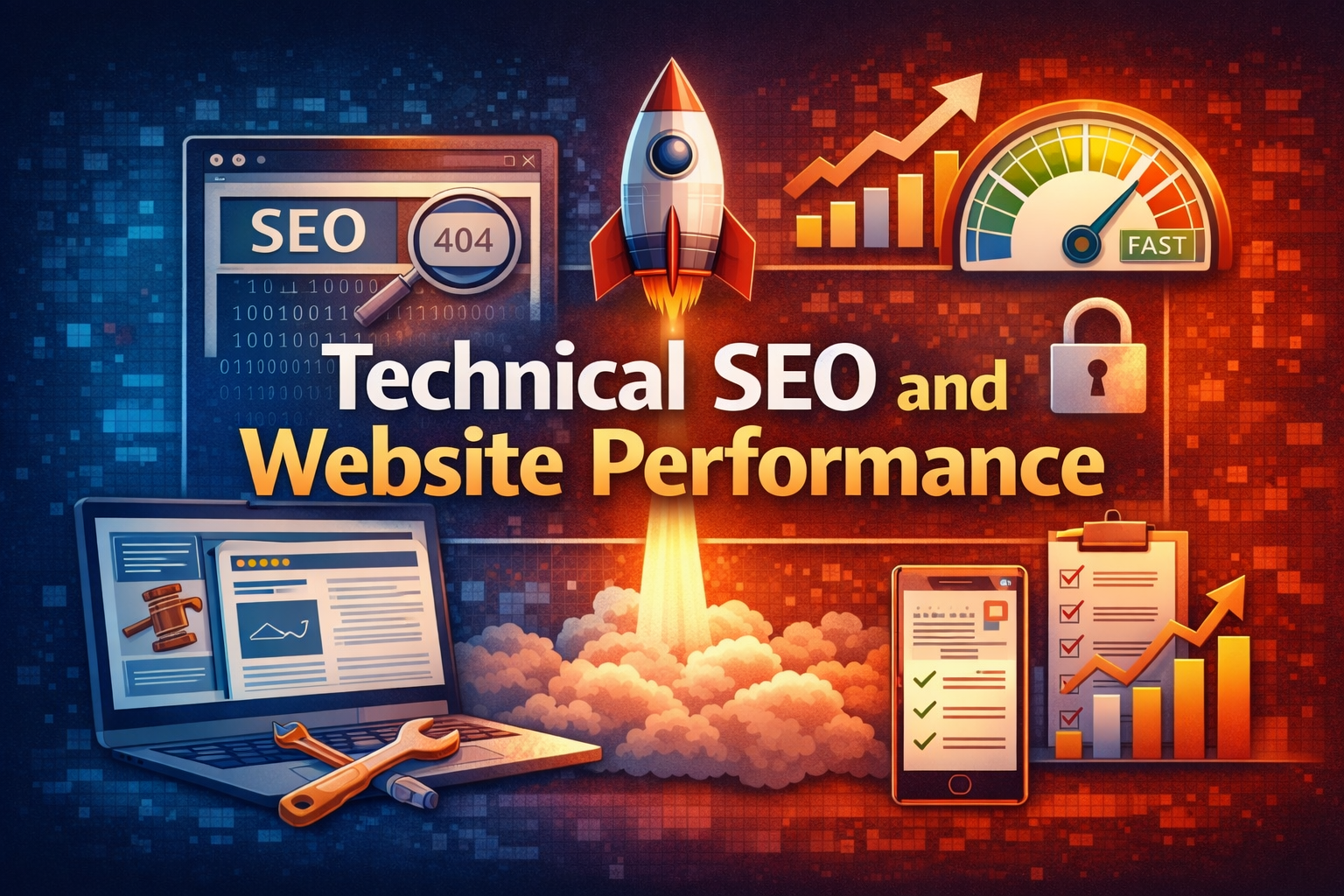
Technical optimization is another factor that supports ROCKET LAWYER’s SEO strategy. The website is designed to load quickly, work smoothly on mobile devices, and provide a secure browsing experience. These elements are important ranking factors for search engines.
Fast page speed improves user experience and reduces bounce rates, while mobile optimization ensures that users can easily access the platform from smartphones or tablets. Search engines prefer websites that offer a smooth and user-friendly experience, and ROCKET LAWYER takes advantage of these technical improvements to maintain strong visibility in search results.
Conversion-Focused SEO Strategy
Generating traffic alone is not enough—converting that traffic into leads is equally important. ROCKET LAWYER focuses on turning visitors into customers by offering helpful tools such as legal document builders, free templates, and access to professional attorneys. These tools act as lead magnets that encourage users to sign up or explore additional services.
By providing solutions directly within the website, the platform reduces the need for users to search elsewhere. This increases the chances that visitors will take action, whether that means creating a legal document, subscribing to services, or contacting a legal expert.
Continuous SEO Growth and Authority
SEO is not a one-time effort, and ROCKET LAWYER continuously updates its content and strategy to maintain its search rankings. By regularly publishing new resources and improving existing pages, the platform stays relevant in search results. This ongoing effort helps the website maintain strong authority within the legal services industry.
Over time, this consistent approach has allowed ROCKET LAWYER to build a large digital footprint. With thousands of indexed pages targeting different legal topics, the platform captures traffic from a wide variety of search queries. This large network of content ensures a steady flow of organic visitors and potential leads.
The Growth Marketing Strategy Behind Grover’s Rapid Expansion
How getyourguide.it Is Dominating the Travel Experience Market in 2026
Barceló Hotels & Resorts ES AFF Explained: Features, Benefits, and More
Top 10 Features That Make Klarmobil Stand Out
What Makes Hostnet NL Different from Other Hosting Providers
Final Thoughts
The success of ROCKET LAWYER’s SEO strategy shows how powerful search engine optimization can be when combined with valuable content and a strong website structure. By focusing on user needs, targeting relevant keywords, and maintaining high technical standards, the platform consistently attracts people searching for legal help online.
This strategy not only improves visibility in search engines but also builds long-term trust with users. As a result, ROCKET LAWYER continues to generate reliable organic leads and strengthen its position as a leading online legal services provider.
Conclusion
Rocket Lawyer’s SEO strategy works because it focuses on solving real problems rather than simply chasing rankings. By combining technical optimization, authoritative content, strategic keyword targeting, and strong user experience, the platform has built a digital ecosystem that attracts millions of visitors consistently.
Instead of relying on short-term marketing tactics, Rocket Lawyer invests in assets that grow over time. Each article, guide, and document template becomes another entry point for potential customers. As the content library expands, so does the platform’s visibility in search results.
The most important takeaway is that SEO success rarely happens by accident. It requires deliberate planning, continuous optimization, and a deep understanding of user intent. Rocket Lawyer demonstrates how powerful that combination can be when executed correctly.
Businesses in any industry can learn from this approach. By focusing on helpful content, clear site architecture, and search-driven strategy, companies can transform their websites into reliable lead-generation machines—just like Rocket Lawyer has done.
Frequently Asked Questions
Q. Why is SEO important for legal platforms like Rocket Lawyer?
SEO helps legal platforms appear in search results when people look for legal advice or documents online. Because many users start their legal research on Google, ranking well can generate a steady stream of potential clients.
Q. How does Rocket Lawyer attract so much organic traffic?
The platform publishes thousands of educational legal resources and optimized landing pages. These pages target a wide range of legal search queries, allowing Rocket Lawyer to capture traffic from many different keywords.
Q. What role does content marketing play in Rocket Lawyer’s SEO?
Content marketing is central to the strategy. Informational guides, FAQs, and legal explanations help users understand complex topics while improving the website’s authority in search engines.
Q. What are long-tail keywords and why are they important?
Long-tail keywords are specific search phrases with lower competition but high intent. Targeting these queries helps websites attract visitors who are closer to making a decision.
Q. Can other businesses replicate Rocket Lawyer’s SEO strategy?
Yes. Any business can adopt similar principles by focusing on helpful content, technical optimization, keyword research, and strong user experience.
Table of Contents
Related Posts